
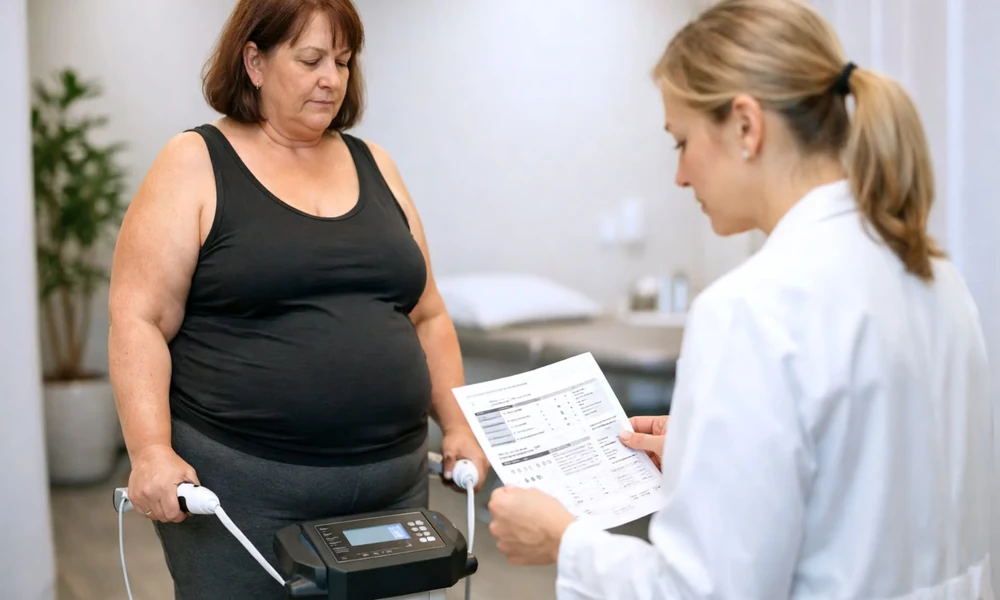

Weight Loss Doctor Near Me helps you find expert care, personalized treatment, and lasting results with safe, proven medical weight loss solutions.
If you’ve struggled to lose weight despite healthy eating and regular exercise, it may be time to see a weight loss doctor. A medical weight loss specialist can identify underlying health issues, create a personalized treatment plan, and help you achieve safe, lasting results with professional support.
Have you ever wondered why some people seem to lose weight easily while you keep doing everything right without seeing results?
If that question sounds familiar, you’re not alone. Millions of Americans face the same challenge every year. Losing weight isn’t always about eating less or exercising more. Sometimes, your body needs medical guidance to uncover what’s standing in your way.
A weight loss doctor near me can help identify hidden medical conditions, hormonal imbalances, or lifestyle factors that make weight loss difficult. Instead of relying on fad diets or internet trends, you’ll receive a personalized treatment plan designed around your health, goals, and medical history. Professional care often leads to safer, faster, and longer-lasting results.
For many people, seeking medical help isn’t a last resort-it’s the smartest first step. A qualified physician can monitor your progress, adjust treatments, and provide encouragement throughout your journey. With expert guidance, losing weight becomes more realistic and sustainable. 🌟
Many people begin their online search with phrases like weight loss doctor near me because they want trusted medical support rather than another temporary diet. Finding the right specialist means getting personalized advice instead of generic weight loss tips. A doctor evaluates your overall health, identifies obstacles, and recommends treatments that match your individual needs. This personalized approach often leads to better long-term success than trying to lose weight alone.
Others search for a weight loss clinic near me when they want access to a complete team of healthcare professionals. These clinics often combine physician care, nutrition counseling, exercise planning, behavioral coaching, and ongoing progress monitoring under one roof. Rather than guessing what works, you receive evidence-based care designed to help you lose weight safely and maintain your results for years.
🌟 Why Professional Weight Loss Care Matters
Trying one diet after another can become frustrating. Many people lose a few pounds only to gain them back within months. This cycle often leaves people feeling discouraged and confused about what actually works. Professional medical care changes that by focusing on your unique health needs instead of one-size-fits-all solutions.
A weight loss doctor looks beyond the number on the scale. They examine your metabolism, medications, family history, hormone levels, sleep quality, and daily habits. This complete evaluation helps identify barriers that may be preventing weight loss. Once those barriers are understood, treatment becomes much more effective.
Medical supervision also reduces the risks associated with rapid weight loss or extreme dieting. Your doctor ensures your body receives proper nutrition while helping you lose weight at a healthy pace. Small, steady progress usually produces the most lasting results. 💚
🩺 Signs It’s Time To See A Weight Loss Doctor
Many people wait too long before seeking medical advice. They often believe they simply need more willpower. In reality, several health conditions can make weight loss much harder than expected. Recognizing these signs early can save months or even years of frustration.
Consider scheduling an appointment if you notice any of these warning signs:
- You’ve tried multiple diets without lasting success.
- Your Body Mass Index (BMI) remains above a healthy range.
- You have diabetes, high blood pressure, or sleep apnea.
- Weight gain continues despite healthy habits.
- Emotional eating feels difficult to control.
- Your doctor has expressed concern about your weight.
Persistent weight gain may have underlying medical causes. Professional evaluation helps uncover those issues before they become more serious. Early treatment often leads to better long-term outcomes.
| Situation | Self-Guided Weight Loss | Medical Weight Loss |
| Personalized Plan | Limited | ✔ Fully Customized |
| Medical Evaluation | No | ✔ Comprehensive |
| Medication Options | No | ✔ When Appropriate |
| Progress Monitoring | Self-managed | ✔ Regular Follow-ups |
| Long-Term Support | Limited | ✔ Ongoing Care |
🔍 What A Weight Loss Doctor Actually Does
Many people assume a weight loss doctor simply tells patients to eat less and exercise more. Modern medical weight loss goes far beyond that. Specialists use science-based strategies to help patients overcome physical and behavioral barriers to weight loss.
During your first appointment, your physician typically reviews your complete medical history. They may order blood work, evaluate hormone levels, discuss medications, and assess your lifestyle habits. This information creates a roadmap for personalized treatment.
Depending on your needs, your treatment plan may include nutritional counseling, exercise recommendations, prescription medications, behavioral therapy, or referrals to other specialists. Every recommendation is tailored specifically to your health profile instead of following a generic program.
⚖️ Medical Weight Loss Vs. DIY Diets
The internet is full of weight loss advice. Unfortunately, much of it promises quick results without scientific support. While some diets may produce short-term weight loss, many fail because they ignore the individual’s medical needs.
Medical weight loss focuses on improving your overall health rather than simply reducing body weight. Doctors help patients develop habits they can realistically maintain for years. Sustainable lifestyle changes almost always outperform restrictive crash diets over time.
Some major differences include:
- Personalized treatment plans.
- Ongoing medical supervision.
- Safe prescription therapies when needed.
- Behavioral coaching.
- Long-term maintenance strategies.
“Successful weight loss isn’t about perfection. It’s about creating healthy habits you can maintain for life.” 🌱
Professional guidance also helps patients stay motivated. Regular follow-up visits provide accountability, celebrate progress, and allow treatment adjustments whenever necessary. That support often makes the difference between temporary weight loss and lasting success.
🧬 Common Health Conditions That Affect Weight
Weight gain isn’t always caused by overeating. Several medical conditions can slow metabolism, increase hunger, or make physical activity more difficult. Ignoring these conditions often leads to repeated frustration despite genuine effort.
Some of the most common health issues linked to weight gain include:
- Thyroid disorders
- Polycystic Ovary Syndrome (PCOS)
- Type 2 diabetes
- Insulin resistance
- Sleep apnea
- Hormonal imbalances
- Depression and anxiety
- Certain prescription medications
A weight loss doctor evaluates these possibilities before recommending treatment. Addressing the underlying cause often makes healthy weight loss much more achievable. Instead of treating symptoms alone, medical professionals focus on improving your overall health and quality of life.
🥗 Personalized Weight Loss Plans Deliver Better Results
No two people gain weight for the same reason. Your age, genetics, lifestyle, hormones, medical history, and daily routine all influence how your body responds to food and exercise. That is why personalized medical weight loss plans are often far more effective than popular diets found online. Instead of following trends, you receive guidance based on your unique health profile.
A customized plan may include balanced meal planning, realistic exercise goals, stress management techniques, and regular health checkups. Your doctor tracks your progress and makes adjustments whenever needed. This flexible approach helps you stay motivated instead of feeling discouraged by setbacks. Over time, small improvements build lasting habits that support lifelong wellness. 💪
Many people also discover that weight loss becomes easier once hidden health issues are treated. Rather than fighting against your body, you begin working with it. That shift alone can dramatically improve your results and your confidence.
💊 Medical Treatments That May Support Weight Loss
Medical weight loss is much more than prescribing medication. Doctors first focus on improving nutrition, increasing physical activity, and building healthy habits. However, when lifestyle changes alone are not enough, additional medical treatments may be considered. These options are carefully selected based on your overall health and long-term goals.
- Prescription weight loss medications
- Nutritional counseling
- Behavioral therapy
- Hormone evaluations
- Metabolic testing
- Diabetes management
- Sleep disorder treatment
Every treatment is monitored closely to ensure both safety and effectiveness. Your doctor explains the benefits, possible side effects, and realistic expectations before beginning any therapy. Medical supervision helps reduce risks while improving your chances of lasting success.
| Treatment Option | Best For | Main Benefit |
| Lifestyle Counseling | Most adults | Builds healthy habits |
| Prescription Medication | Eligible patients | Helps reduce appetite |
| Nutrition Therapy | Poor eating habits | Improves food choices |
| Behavioral Counseling | Emotional eating | Supports long-term success |
| Exercise Coaching | Beginners | Increases activity safely |
🏃 Healthy Lifestyle Changes Still Matter
Even with professional care, healthy daily habits remain the foundation of successful weight loss. Medical treatments work best when combined with nutritious eating, regular movement, and consistent sleep. Doctors help you create routines that fit your schedule instead of expecting perfection.
Simple lifestyle improvements often produce impressive long-term results. For example, drinking more water, eating lean protein, reducing sugary drinks, and walking every day can make a noticeable difference. These small actions become easier to maintain because they fit naturally into everyday life.
Remember, progress is rarely a straight line. Some weeks you’ll lose more weight than others, and that’s completely normal. Staying consistent matters much more than chasing quick results. 🌿
🧠 The Emotional Side Of Weight Loss
Weight loss isn’t only physical. Your thoughts, emotions, and daily stress levels also influence your eating habits. Many people eat when they feel anxious, bored, lonely, or overwhelmed. Recognizing these patterns is an important step toward lasting change.
A weight loss doctor may recommend working with a behavioral health specialist or counselor. Together, you can develop healthier coping strategies that don’t involve food. This support helps reduce emotional eating while improving your overall mental well-being.
Healthy weight loss is also about building self-confidence. Instead of criticizing yourself after setbacks, focus on learning from them. Every positive choice moves you closer to your long-term goals, even if progress feels slow at times. 😊
“Your health journey isn’t measured by one meal or one workout. It’s built through consistent choices made day after day.”
📋 What To Expect During Your First Appointment
Many people feel nervous before visiting a weight loss doctor for the first time. Fortunately, the appointment is usually relaxed and focused on understanding your health rather than judging your weight. The goal is to gather information that helps create a safe and personalized treatment plan.
- Your medical history.
- Previous weight loss attempts.
- Current medications.
- Family health history.
- Eating habits.
- Physical activity.
- Sleep quality.
- Stress levels.
You may also have your height, weight, blood pressure, and body measurements recorded. Blood tests or additional screenings may be recommended to identify underlying health conditions. After reviewing the results, your physician will explain the next steps and work with you to establish realistic, achievable goals.
Good communication is essential throughout this process. Be honest about your challenges, concerns, and expectations. The more your doctor understands your situation, the better they can tailor a plan that truly fits your lifestyle.
🏥 Choosing The Right Weight Loss Clinic
Not every clinic offers the same level of care. Some focus only on short-term dieting, while others provide complete medical programs designed for lasting success. Taking time to compare your options can make a significant difference in your experience and your results.
Look for these qualities when choosing a clinic:
- Board-certified medical professionals
- Personalized treatment plans
- Registered dietitians or nutrition experts
- Behavioral counseling services
- Regular follow-up appointments
- Evidence-based treatment methods
- Clear pricing and realistic expectations
A quality clinic will never promise overnight success. Instead, it will emphasize gradual, sustainable progress supported by medical science. The right team becomes your partner throughout the entire weight loss journey, helping you stay accountable and motivated every step of the way. 🌟
| Question To Ask | Why It Matters |
| Is the doctor board-certified? | Confirms professional qualifications and experience. |
| Are treatment plans personalized? | Ensures care is based on your unique health needs. |
| What services are included? | Helps you understand the full scope of care. |
| How often are follow-up visits? | Supports long-term accountability and progress. |
| Are realistic goals discussed? | Prevents false expectations and promotes healthy weight loss. |
📅 Setting Realistic Weight Loss Goals
Many people expect dramatic results within a few weeks. Unfortunately, unrealistic expectations often lead to disappointment and quitting too soon. Healthy weight loss is a gradual process that focuses on improving your overall health, not just lowering the number on the scale.
Most medical professionals recommend aiming for steady, sustainable progress. Even losing a modest amount of body weight can improve blood pressure, cholesterol, blood sugar levels, and joint health. Small victories add up over time and are much easier to maintain than rapid weight loss.
Celebrate every milestone along the way. Your success isn’t measured only by pounds lost. Better sleep, increased energy, improved mobility, and healthier eating habits are equally important achievements. 🎯
❤️ Long-Term Success Requires Ongoing Support
Reaching your goal weight is only one part of the journey. Maintaining those results is often the greater challenge. Many people regain weight because they stop following healthy habits after reaching their target.
Regular follow-up appointments help prevent this cycle. Your weight loss doctor continues monitoring your health, adjusting your treatment plan, and offering encouragement when needed. These visits also help identify small problems before they become major setbacks.
Long-term success comes from consistency rather than perfection. Healthy eating, regular exercise, stress management, and routine medical checkups work together to support lasting weight management. With ongoing professional guidance, maintaining your results becomes much more achievable. 🌱
🛡️ Common Mistakes To Avoid
Weight loss is filled with misleading advice. Avoiding common mistakes can save you time, money, and frustration while protecting your health. Medical guidance helps you recognize unsafe or ineffective approaches before they become problems.
Avoid these common mistakes:
- Skipping meals regularly.
- Following extremely restrictive diets.
- Expecting overnight results.
- Ignoring emotional eating habits.
- Sleeping too little.
- Relying only on supplements.
- Comparing your progress with others.
- Giving up after minor setbacks.
Healthy weight loss is a marathon, not a sprint. Focus on building habits that fit your everyday life. Those habits are what create lasting results.
| Healthy Habit | Long-Term Benefit |
| Balanced meals | Better nutrition and energy |
| Regular walking | Improved heart health |
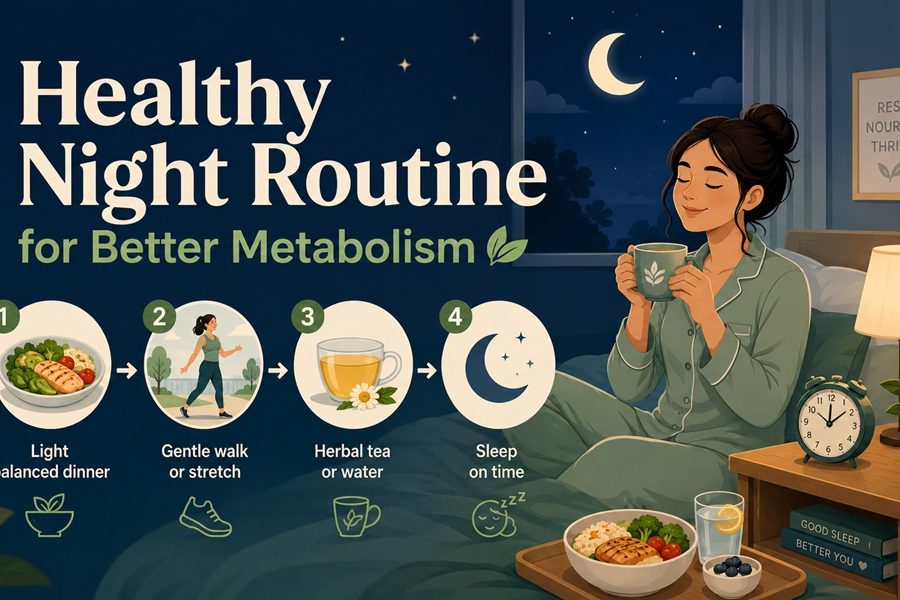
| Quality sleep | Better metabolism |
| Stress management | Reduced emotional eating |
| Regular doctor visits | Ongoing progress monitoring |
| Drinking water | Supports healthy digestion |
💡 Tips To Stay Motivated During Your Journey
Staying motivated isn’t always easy, especially when progress slows. The key is to focus on consistency instead of perfection. Every healthy decision brings you one step closer to your goal.
Here are a few practical ways to stay motivated:
- Set small weekly goals.
- Keep a food and activity journal.
- Celebrate non-scale victories.
- Find an exercise you genuinely enjoy.
- Ask family or friends for support.
- Attend scheduled follow-up appointments.
- Track your progress with photos instead of relying only on the scale.
Remember that setbacks happen to everyone. What matters most is getting back on track without feeling discouraged. Progress comes from persistence, not perfection. 😊
“The healthiest transformation is the one you can maintain for the rest of your life.”
🎯 When Professional Help Makes All The Difference
There is no shame in asking for help with weight loss. In fact, seeking professional guidance can save years of frustration and reduce your risk of serious health conditions. A medical expert provides the knowledge, accountability, and personalized care that many people need to achieve lasting success.
If you’ve tried multiple diets without results, struggle with obesity-related health conditions, or simply feel overwhelmed, now may be the right time to consult a weight loss doctor. Professional treatment focuses on improving your health-not chasing unrealistic expectations.
The sooner you seek help, the sooner you can begin making meaningful progress. Every healthy choice you make today contributes to a stronger, healthier future.
🎉 Conclusion
Losing weight is rarely as simple as eating less and exercising more. Your metabolism, hormones, medical conditions, medications, and lifestyle all influence your ability to lose weight successfully. That’s why professional medical guidance can make such a significant difference.
A weight loss doctor near me offers personalized care that addresses the root causes of weight gain instead of relying on temporary solutions. From medical evaluations and customized nutrition plans to behavioral coaching and ongoing support, every part of your treatment is designed around your unique needs.
Whether you need help overcoming a weight-loss plateau or managing obesity-related health conditions, seeking professional assistance is a positive step toward better health. With patience, consistency, and expert guidance, you can build healthy habits that last a lifetime.
Frequently Asked Questions
1. How do I find the best weight loss doctor near me?
Start by looking for a board-certified physician with experience in medical weight management. Choose a provider who offers personalized treatment plans, regular follow-up visits, and evidence-based care. Reading patient reviews and asking about available services can also help you make an informed decision.
2. When should I visit a weight loss clinic near me?
You should consider visiting a clinic if you’ve struggled to lose weight despite healthy eating and regular exercise. It’s also a good idea if weight gain is affecting your overall health or daily activities. Early medical support can improve your chances of long-term success.
3. Can a weight loss doctor prescribe medication?
Yes, if you meet certain medical criteria, a doctor may recommend prescription weight loss medication. These medications are usually combined with healthy eating, physical activity, and lifestyle changes. Your doctor will monitor your progress to ensure the treatment remains safe and effective.
4. What happens during my first weight loss consultation?
Your first appointment typically includes a review of your medical history, current medications, lifestyle habits, and previous weight loss attempts. The doctor may also recommend blood tests or other evaluations. Based on the findings, you’ll receive a personalized treatment plan with realistic goals.
5. Is medical weight loss better than dieting alone?
Medical weight loss provides professional supervision, personalized care, and ongoing support that most diets cannot offer. It also addresses underlying health conditions that may interfere with weight loss. This comprehensive approach often leads to safer, healthier, and more sustainable results over time.

Leave a Comment