

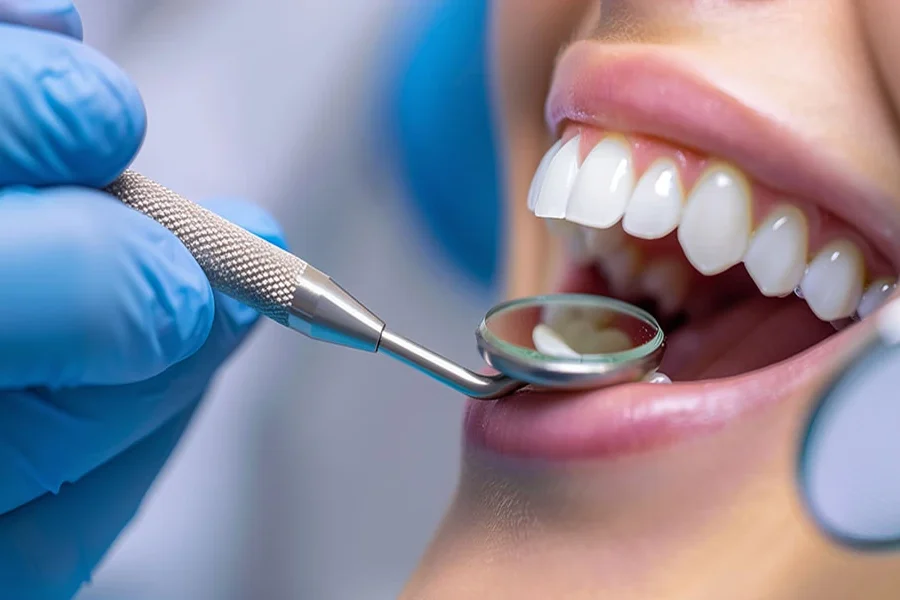
If you have noticed a dark triangle near your gumline, your eye probably goes straight to it every time you smile. That reaction is common. These small gaps, often called open gingival spaces or black triangles, can make teeth look older, uneven, or harder to keep clean even when the teeth themselves are healthy, so discussing them with a family dentist in North Raleigh may help you understand your options.
Dentists compare treatment by looking at the cause first, not just the gap. Some spaces happen because the teeth are shaped like triangles, some appear after gum tissue shrinks, and some show up when teeth shift position over time. That is why How Dentists Compare Bonding, Orthodontics, And Gum Care For Open Gingival Spaces comes down to fit, gum health, bite, and long term maintenance. In many cases, the best answer is not one treatment alone, but a careful mix of cosmetic and health based care.
Open gingival spaces are treated based on cause, not just appearance
You may be thinking the gap is small, so the fix should be simple. Sometimes it is. Sometimes that small opening points to a larger issue with tooth position, gum support, or bone levels. Research on interdental papilla loss shows that these spaces are linked to tooth shape, contact point position, periodontal support, and age related tissue changes. A review of black triangle treatment also shows that success depends on matching the method to the reason the space formed, not forcing one cosmetic fix on every case. You can read more in these studies: clinical review of black triangle management, research on papilla deficiency and treatment planning, and evidence on periodontal and restorative approaches.
That matters because bonding can close a space quickly, but it does not move roots or rebuild lost support. Orthodontics can improve spacing and contact points, but it cannot always restore papilla height once tissue and bone are gone. Gum care can reduce inflammation and protect what is there, yet it may not fully erase the visible triangle by itself. The choice is less about which option sounds best and more about which one actually fits your mouth.
Bonding works best when tooth shape is the main problem
Dental bonding is often the fastest cosmetic option. A dentist adds tooth colored composite to change the contour of the teeth so the contact area becomes wider and the visible gap looks smaller or disappears. This approach is common when teeth are narrow near the gums, when the space is mild, or when you want a conservative fix without braces.
The appeal is easy to understand. Bonding is usually done in one visit, costs less than many orthodontic cases, and preserves most natural tooth structure. If the gums are stable and the gap is mainly a shape issue, bonding can look natural and immediate.
The tradeoff is that composite needs maintenance. It can stain, chip, or trap plaque if it is overbuilt or hard to floss around. If the real problem is crowding, root position, or gum loss, bonding may hide the space without solving what created it. In a black triangle dental treatment plan, bonding is often strongest when the teeth and gums are already healthy and simply need a better contour.
Orthodontics helps when tooth position and contact points create the gap
When teeth flare outward, rotate, or drift apart, the contact point between them sits too high. That leaves a triangular opening near the gumline. Orthodontic treatment can move teeth into a better position, reduce root divergence, and create a contact area that extends lower toward the gums. For some people, that is the most biologically sound way to improve the space.
This is often the better path if you also have crowding, bite changes, or spaces in other areas. Clear aligners or braces may improve both appearance and function. You are not just masking one area. You are changing the layout that produced it.
The downside is time. Orthodontics takes months, sometimes longer, and the result still depends on gum support. If gum tissue has receded or bone has been lost, moving teeth can improve the triangle but may not erase it completely. That is why many dentists use orthodontics first, then refine the final shape with bonding.
Gum care protects the foundation and sometimes changes the treatment plan
If inflammation, gum disease, or aggressive brushing has damaged the tissue between teeth, gum care comes first. There is no stable cosmetic result without a healthy foundation. Professional cleanings, periodontal therapy, and changes in home care can reduce swelling, control disease, and help the tissue look more even. In select cases, surgical or regenerative approaches may be considered, though they are technique sensitive and not right for every smile.
This part can feel frustrating because gum care is rarely the fast cosmetic answer people hoped for. Still, it changes what is possible. A mouth with active inflammation is a poor candidate for long lasting bonding and an unpredictable one for tooth movement. A healthy gumline gives every other option a better chance to succeed. When people talk about open gingival space treatment, this is often the piece that determines whether the result will hold up.
Bonding, orthodontics, and gum care each solve different parts of the problem
| Option | Best For | Main Benefit | Limits | Typical Consideration |
|---|---|---|---|---|
| Bonding | Small to moderate spaces caused by tooth shape | Fast cosmetic improvement, often in one visit | Does not move teeth or rebuild lost gum support | May need polishing, repair, or replacement over time |
| Orthodontics | Spaces linked to tooth position, flaring, rotation, or bite issues | Improves alignment and contact point location | Takes longer and may not fully restore papilla | Often paired with bonding for final refinement |
| Gum Care | Inflammation, recession, periodontal disease, unstable tissue | Protects oral health and supports long term results | May not close the visible space alone | Essential before cosmetic treatment when gums are unhealthy |
Clear next steps help you avoid the wrong fix
Ask for a cause based exam. You want more than a quick glance at the gap. Ask whether the space is coming from tooth shape, gum loss, root position, bite changes, or a mix of these.
Request a staged treatment plan. If more than one issue is present, the order matters. Gum therapy may come first, orthodontics second, and bonding last. That sequence often gives a cleaner and more stable result than jumping straight to cosmetic work.
Think beyond the photo. A result that looks good on day one still has to be flossable, comfortable, and easy to maintain. Ask how the plan affects cleaning, staining, relapse, and future repairs. That question alone can save you from a fix that looks good briefly and becomes a problem later.
A skilled family and cosmetic dentist will compare these options with your anatomy, habits, and goals in mind, not with a one size fits all script. Open gingival spaces can often be improved, sometimes dramatically, but the best result comes from choosing the treatment that matches the reason the space appeared in the first place. If the gap has been bothering you, schedule an evaluation and get a plan built around your smile, your gum health, and what will last.



Leave a Comment