
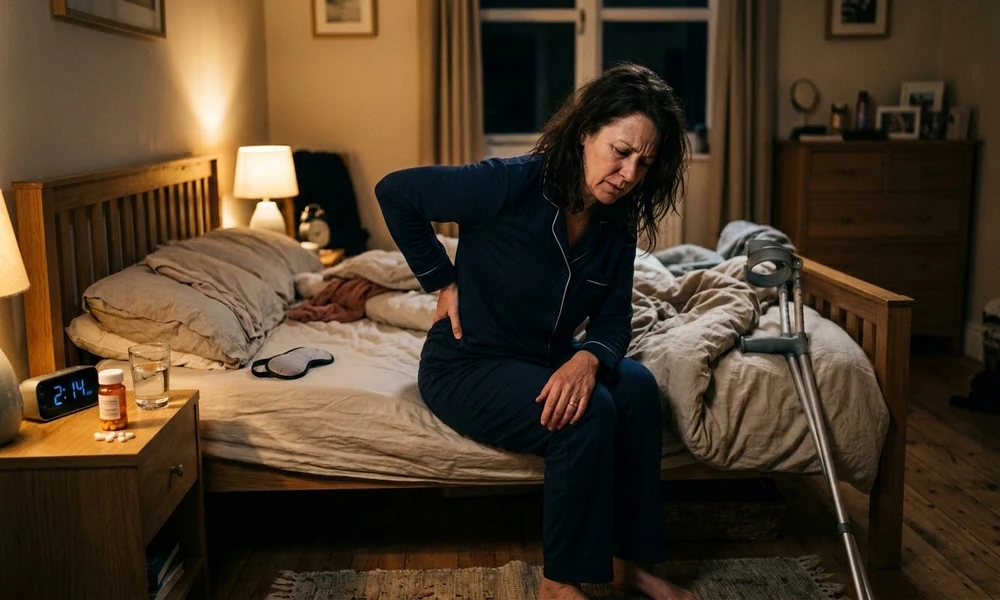

Back pain is usually treated as a physical problem, but its impact often reaches far beyond the spine, muscles, or joints. When pain lasts for weeks or months, it can start affecting how a person sleeps, moves, works, thinks, and connects with others.
Everyday tasks may become harder. Getting dressed, driving, sitting through a meeting, carrying groceries, or walking through a store can feel more demanding than usual. Over time, those limitations may affect confidence, mood, independence, and daily routines.
Chronic back pain can also create a frustrating cycle. Pain disrupts sleep. Poor sleep can make pain feel more intense. Less movement may lead to stiffness, weakness, or fear of activity. Emotional stress can make the whole experience feel heavier.
Seeing these connections matters. Back pain is not always just an isolated symptom. For some people, it becomes a whole-person issue that affects the body, mind, habits, and quality of life.
Understanding Back Pain as More Than a Physical Symptom
Back pain may be acute, meaning it starts suddenly and lasts for a shorter time, or chronic, meaning it continues over a longer period. The World Health Organization notes that low back pain can limit movement, reduce quality of life, affect work, and interfere with family or social participation. It is also the leading cause of disability worldwide.
When back pain starts interfering with daily function, evaluation may look beyond the location of discomfort. A spine surgery and rehabilitation doctor, such as CalSpine MD, may be part of care when symptoms require assessment of spinal structure, movement, rehabilitation options, or surgical considerations.
The goal is not only to reduce pain. It is also to help the person move better, build strength, regain confidence, and participate more fully in daily life.
Chronic pain can change behavior, too. A person may sit differently, walk less, avoid stairs, or stop exercising because they worry movement will make symptoms worse. At first, those changes may feel protective. Over time, they can reduce conditioning and make ordinary activities feel more difficult.
How Pain Can Affect Mood and Emotional Wellness
Pain and mood often influence each other. Someone living with persistent back pain may feel frustrated, discouraged, irritable, anxious, or unsure about the future. Those reactions are understandable, especially when pain interferes with work, family responsibilities, sleep, or independence.
The emotional impact can also come from uncertainty. A person may wonder whether they are making the problem worse, whether they will need treatment, or whether they will be able to return to normal routines. That uncertainty can create stress, and stress can make pain harder to manage.
Emotional wellness does not mean ignoring pain or pretending it is minor. It means recognizing that ongoing discomfort can affect thoughts, motivation, patience, relationships, and confidence. Addressing the emotional side of pain can help people make clearer decisions and avoid feeling isolated by their symptoms.
The Link Between Sleep and Pain Sensitivity
Sleep is one of the most common areas affected by back pain. Pain may make it difficult to fall asleep, stay asleep, or find a comfortable position. Poor sleep can then affect energy, concentration, mood, and pain tolerance.
The CDC describes sleep as an important process for brain restoration and regulation, and notes that inadequate sleep can affect cognitive functioning, mental health, brain health, and chronic disease outcomes.
Emotional health support may be helpful when sleep disruption and mood changes begin to overlap. Equilibrio, a board-certified psychiatrist service, may be an example of care focused on emotional health when chronic pain contributes to anxiety, low mood, stress, or trouble coping. This kind of support does not replace physical evaluation, but it may be part of a broader care plan when pain affects mental well-being.
Sleep problems can also become behavioral. Someone may nap during the day because they slept poorly at night, then struggle to sleep again later. They may avoid movement because they feel tired, which can increase stiffness. Improving sleep often means looking at pain management, stress, daily activity, and bedtime habits together.
Why Reduced Movement Can Make Daily Life Harder
When back pain flares, rest may feel necessary. Short periods of rest can be reasonable, especially during severe discomfort. But long-term avoidance of movement may lead to weakness, stiffness, and lower endurance. That can make normal activities feel more difficult and increase fear around movement.
Exercise and movement are often part of chronic low back pain management. A Cochrane review found moderate-certainty evidence that exercise is probably effective for treating chronic low back pain compared with no treatment, usual care, or placebo, although improvements in functional limitations may be smaller.
The type of movement matters. A person does not need to jump into intense exercise. Gentle walking, stretching, physical therapy exercises, or guided strengthening may be more realistic starting points. The key is consistency, pacing, and adjusting activity to what the body can safely tolerate.
The Impact on Work, Family, and Personal Roles
Back pain can affect identity as much as activity. Someone who is used to being independent may feel discouraged when they need help carrying groceries, cleaning the house, or finishing work tasks. Parents may struggle with lifting children, attending events, or managing household routines. Workers may find sitting, standing, bending, or commuting more difficult.
Coordinated healthcare management can help when several needs overlap, such as pain care, physical therapy, medication review, imaging, behavioral health support, and follow-up planning. G
Daily function is often a practical way to measure progress. Pain scores matter, but so do everyday questions. Can the person sleep longer? Walk farther? Return to work duties? Drive comfortably? Take part in family routines? These markers can help guide care in a realistic way.
The Fear-Avoidance Cycle
One common challenge with chronic back pain is fear avoidance. This happens when a person avoids movement because they believe activity will cause harm or worsen pain. Caution can be useful during an acute injury, but long-term fear may lead to inactivity, loss of strength, and greater sensitivity to normal movement.
Fear avoidance can also affect confidence. A person may stop doing things they enjoy, then feel less capable over time. The less they move, the more uncertain movement feels. That cycle can make recovery harder, even when there is no serious new injury.
Education can help. Learning which symptoms need urgent attention and which movements can be gradually rebuilt may reduce fear. Mayo Clinic advises contacting a healthcare professional if back pain lasts longer than a few weeks, is severe and does not improve with rest, spreads down one or both legs, causes weakness, numbness, or tingling, or occurs with unexplained weight loss.
Support at Home and in Daily Routines
Some people with back pain need help with daily tasks while they recover or adapt. Support may include help with mobility, meal preparation, errands, bathing, dressing, light housekeeping, or moving safely around the home. For people with limited mobility, practical help can reduce strain and lower the risk of falls or overexertion.
Alpenglow Homecare MT may be relevant in this kind of situation because mobility and daily support services can help people maintain routines when back pain affects independence. Home-based support is not the same as medical treatment, but it can help bridge the gap between clinical care and everyday life.
Small changes at home can also make a difference. Keeping frequently used items at waist level, using supportive chairs, limiting repeated bending, improving lighting, and clearing walkways can reduce unnecessary strain. These changes may seem simple, but they can make daily movement feel less intimidating.
Building a Whole-Person Care Plan
A whole-person care plan looks at pain, movement, sleep, mood, work, and home life together. Not everyone needs every type of care. The right plan should match the person’s actual challenges.
Someone who sleeps poorly may need support with sleep routines and nighttime pain. Someone afraid to move may need education and gradual activity. Someone experiencing mood changes may benefit from emotional health support. Someone struggling at home may need practical help with daily routines.
Pacing is also important. Doing too much on a good day may trigger a flare, while doing too little may increase stiffness and reduce strength. Pacing means spreading activity throughout the day, taking planned breaks, and building tolerance gradually.
Final Thoughts
Back pain can affect far more than the back. When it becomes persistent, it may influence sleep, mood, mobility, work, family responsibilities, and independence. These effects can create a cycle where pain limits movement, poor sleep increases sensitivity, and emotional stress makes symptoms harder to manage.
Recognizing that connection is an important step toward better support. A thoughtful approach looks at the body, mind, habits, home environment, and daily responsibilities together. With appropriate evaluation, gradual movement, emotional support when needed, and practical adjustments, people with chronic back pain can work toward better function and quality of life.



Leave a Comment