
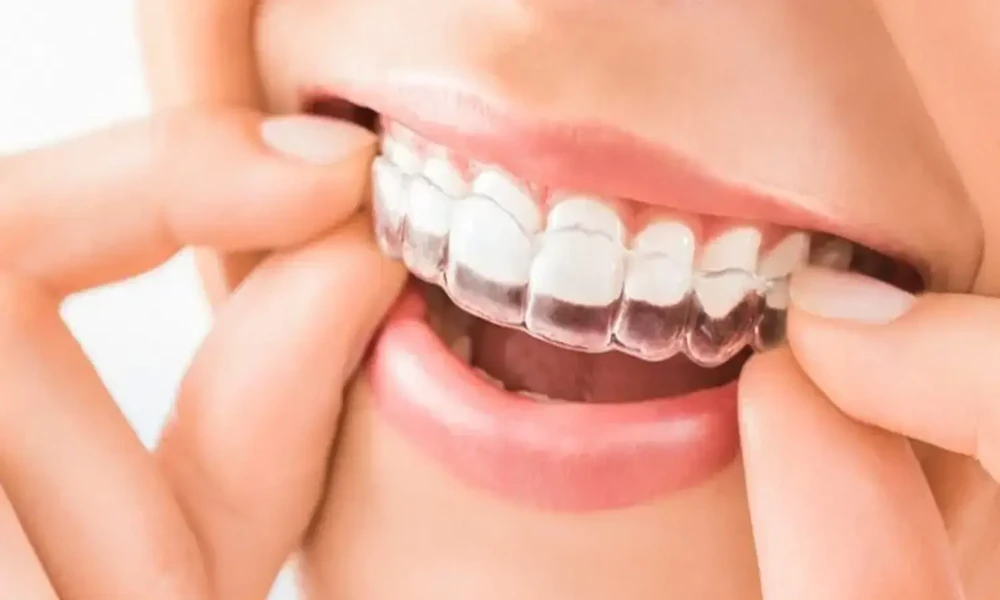

You notice it when you bite down, when floss catches in a spot that used to feel open, or when a front tooth suddenly looks a little more crowded in photos. That shift can feel small and unsettling at the same time. Teeth are not supposed to move much once you are an adult, so even a slight change can make you wonder whether something larger is happening under the surface. If you are considering Invisalign Clear Aligners in Downtown Phoenix, these subtle changes may be worth discussing with a dental professional.
That concern is valid. Changes in alignment are not always cosmetic. They can point to grinding, gum disease, bone loss, missing teeth, swelling, or pressure from habits that slowly change how teeth meet. A general dentist looks at the full picture, not just whether your smile looks different. The short version is simple. How General Dentists Evaluate Changes In Tooth Alignment comes down to checking your bite, gums, bone support, tooth wear, and the health issues that can push teeth out of place.
General dentists assess tooth movement by looking beyond the crooked tooth
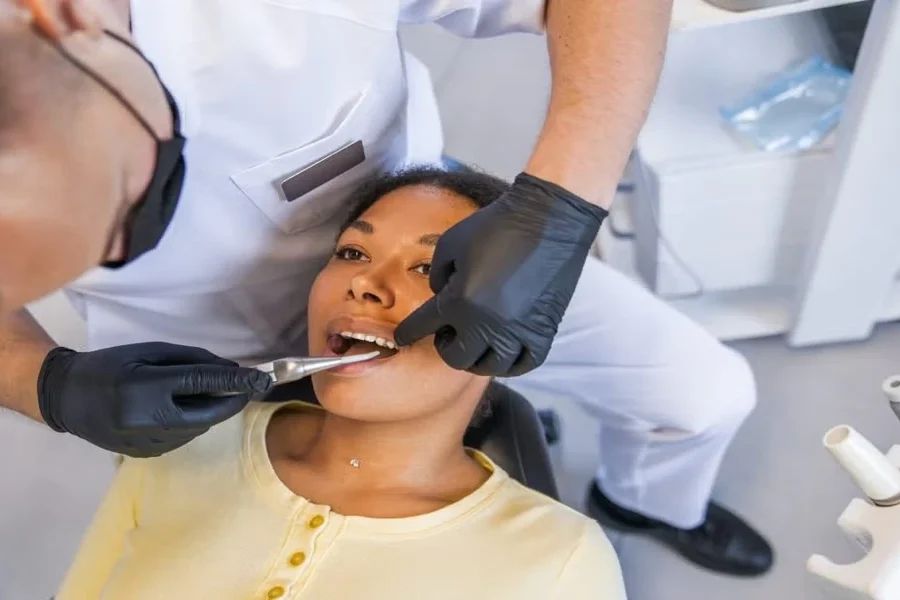
When you come in with a concern about shifting teeth, the exam usually starts with your story. You may say your retainer no longer fits, your teeth feel crowded, or your bite seems off on one side. Those details matter because they help narrow the cause. A dentist wants to know when the change started, whether it happened fast, and whether you also have jaw pain, loose teeth, bleeding gums, headaches, or clenching at night.
From there, the dentist examines how your upper and lower teeth come together. Bite changes often leave clues. One tooth may hit too early. A back tooth may have drifted after a missing neighbor was never replaced. Front teeth may flare if gum support has weakened. If you grind your teeth, the dentist may see flattened edges, chips, or small cracks that show ongoing pressure.
A routine dental exam also includes checking the gums and supporting bone, because alignment depends on what holds the teeth in place. Teeth can look healthy on the surface and still be moving because the foundation is changing. That is one reason general dentist tooth alignment evaluation is not just about straightness. It is about stability.
Gum disease and bone loss are common reasons teeth start to shift
Many adults assume crooked teeth mean they need braces and nothing more. Sometimes that is true. Sometimes the issue starts with periodontal disease. Inflamed gums and loss of bone support can allow teeth to drift, spread, or loosen. You may first notice a gap where there was none, or a lower front tooth that suddenly overlaps.
This matters because treatment changes based on the cause. If shifting is tied to gum disease, straightening teeth without controlling the infection can make the problem worse. A dentist checks pocket depths around the teeth, signs of recession, bleeding, and mobility. Imaging may show bone changes that are not visible in the mirror. MedlinePlus explains how gum disease can affect the tissues that support teeth, and that support is what keeps alignment steady over time.
Fast changes deserve prompt attention. A tooth that moves quickly, feels loose, or changes position after trauma may need imaging and a closer look right away. Delaying care can turn a fixable issue into a larger one.
Imaging helps dentists confirm why your bite and alignment changed
Visual changes tell part of the story. X rays and other imaging show what is happening below the gumline. A dentist may look for bone loss, impacted teeth, cysts, root problems, failed dental work, or the effects of a missing tooth that allowed nearby teeth to tip. In some cases, jaw joint symptoms and uneven wear point to bite forces that have been building for years.
The biology behind tooth movement is well established. Teeth can shift when pressure changes the bone and ligament around them. The NCBI overview on tooth movement explains that these tissues respond to force over time. That is why clenching, tongue pressure, missing teeth, and gum disease can all change alignment, even without orthodontic treatment.
This is also where a general dentist decides whether the next step stays in general practice or needs a referral. Some cases need periodontal treatment first. Some need orthodontic care. Some need a replacement for a missing tooth so the rest of the bite stops drifting. The value of a dentist evaluation for tooth alignment changes is that it separates surface symptoms from the real cause.
Home observation and professional evaluation serve different purposes
| What You Notice at Home | What It May Suggest | What a General Dentist Checks |
|---|---|---|
| Retainer feels tight or no longer fits | Gradual tooth movement or bite change | Occlusion, wear patterns, missing contacts, gum support |
| New crowding in front teeth | Natural drift, grinding, bone loss, pressure habits | Tooth mobility, gum pockets, recession, X rays |
| Gap appearing between teeth | Gum disease, tongue pressure, shifting after tooth loss | Periodontal health, bone levels, bite forces |
| Bite feels uneven on one side | Tooth movement, worn restorations, clenching | How teeth contact, jaw symptoms, cracked or worn teeth |
| Loose tooth or rapid change | Trauma, infection, advanced support loss | Urgent exam, imaging, stability of tooth and surrounding bone |
Watching your teeth at home helps you catch a problem early. It does not tell you why it is happening. That gap might be from inflammation. That crowding might be from years of pressure at night. That bite shift might trace back to one untreated missing molar. General dentistry fills in those blanks.
Three steps you can take right away when your teeth seem to be shifting
Track the change clearly. Take a few close photos of your teeth from the front and both sides. Write down what feels different, when you noticed it, and whether you have bleeding gums, jaw soreness, headaches, or a retainer that no longer fits. Specific details help your dentist compare what changed and how fast it happened.
Do not assume it is only cosmetic. If your tooth feels loose, your gums bleed often, or your bite changed quickly, schedule an exam soon. A root service like a general dentist visit is often the first and best step because it can uncover whether the issue is orthodontic, periodontal, restorative, or related to grinding.
Protect your teeth from added force. Avoid chewing ice, opening packages with your teeth, or putting off replacement of a missing tooth. If you know you clench at night, mention it during the visit. Pressure that continues every day can keep moving teeth and wear them down at the same time.
Early evaluation gives you more treatment options
Shifting teeth can stir up more worry than most people expect. You may be thinking about appearance, cost, discomfort, and whether the change means something serious. Getting answers early usually makes the path clearer. A general dentist can tell whether the problem is mild drift, bite pressure, gum disease, or loss of support that needs faster care.
If your teeth no longer fit together the way they used to, do not wait for it to sort itself out. Schedule a visit with a general dentist and have the change evaluated while the options are still open.



Leave a Comment