
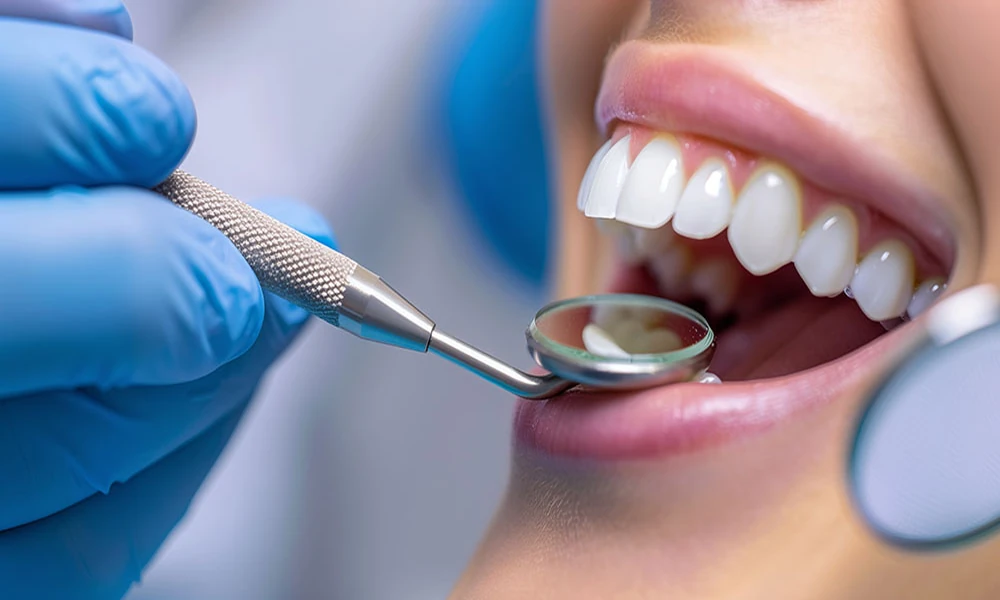

You finally get through the baby tooth years, then a new adult tooth comes in and there it is, a soft spot, a stain, or a cavity. That can feel unfair. Many parents assume permanent teeth should be stronger from the start, but newly erupted teeth are often harder for kids to clean well, and deep grooves on molars can trap food and bacteria fast. A pediatric dentist treating cavities in new permanent teeth focuses on stopping decay early, protecting the tooth for the long term, and keeping the visit calm enough that your child does not start fearing dental care. This is especially important when preparing for a child’s first dental visit in Chandler.
The first step is figuring out how far the decay has gone. A pediatric dentist looks at the tooth, checks whether the cavity is limited to enamel or has reached deeper layers, and may use X rays to see what is happening between teeth or under the surface. If the cavity is small, treatment is often simple. If it has moved closer to the nerve, the plan gets more involved because the goal shifts from a basic filling to saving the health of the tooth and avoiding pain, infection, and future damage.
Newly Erupted Permanent Teeth Get Cavities Quickly
Freshly erupted molars sit low in the gums at first, which makes brushing awkward. Kids miss the back corners, brush too fast, or gag when trying to reach them. Add sports drinks, crackers, sticky snacks, and bedtime brushing that did not go quite as long as you hoped, and decay gets an opening. According to MedlinePlus information on tooth decay, cavities form when plaque bacteria make acids that break down tooth structure. That process can move faster in deep pits and grooves.
You might notice nothing at all. Early cavities in permanent teeth often do not hurt. That is what makes them frustrating. By the time a child complains about sensitivity to cold or pain when chewing, the decay may be larger than expected. This is one reason care for cavities in children’s permanent teeth is often centered on early exams and quick treatment instead of waiting for symptoms.
Pediatric Dentists Match Treatment to the Size and Depth of the Cavity
For very early decay, a pediatric dentist may recommend fluoride treatment to strengthen enamel and slow or stop the damage. The American Academy of Pediatric Dentistry supports fluoride therapy for children at risk for decay because it helps teeth resist acid attacks and can support remineralization in early lesions.
If there is a true cavity, the tooth usually needs a filling. The decayed part is removed, then the space is restored with a material that seals the tooth and lets your child chew normally. On a newly erupted permanent molar, this is common and often straightforward when caught early.
If the cavity is deep and close to the nerve, a pediatric dentist may use a protective liner, a larger restoration, or pulp therapy to keep the tooth alive and comfortable. This sounds alarming when you first hear it, but it is often the step that prevents an abscess or an emergency visit later. When a child is anxious, behavior guidance, nitrous oxide, or other comfort measures may be part of the plan. The goal is not just fixing the tooth. It is helping your child get through treatment without panic.
Sealants and Home Care Help Protect Newly Erupted Adult Teeth
After treatment, prevention matters just as much as the filling itself. Newly erupted molars are prime candidates for sealants because their grooves are deep and hard to clean. The CDC explains that dental sealants can prevent many cavities in children’s back teeth by creating a protective barrier over chewing surfaces.
This is where many families feel a little burned out. You treat one cavity, then worry the next tooth is right behind it. That concern makes sense. A pediatric dentist usually responds with a prevention plan that fits real life, not a perfect world. That may include fluoride toothpaste, sealants, diet changes, closer recall visits, and brushing help for those back molars until your child has the hand skills to do it well alone.
Common Treatment Paths for Cavities in Newly Erupted Permanent Teeth
| Situation | What a Pediatric Dentist May Do | Why It Helps |
|---|---|---|
| Early enamel weakening | Fluoride treatment and monitoring | Can strengthen enamel and slow early decay |
| Small cavity in a molar | Tooth colored filling | Removes decay and restores chewing surface |
| Deep grooves with no cavity yet | Sealants | Protects hard to clean areas from future decay |
| Large or deep cavity near the nerve | Larger restoration or pulp therapy | Relieves pain risk and helps save the tooth |
| Very anxious child | Behavior guidance and comfort support | Makes treatment more manageable and less stressful |
Parents Can Take Clear Steps Before the Cavity Gets Worse
Schedule an exam as soon as you notice a spot or sensitivity. A cavity in a new permanent tooth does not usually improve on its own. Early care often means a smaller, simpler filling instead of a deeper procedure.
Help with brushing the back permanent molars every night. Even older children miss these teeth. Use fluoride toothpaste, angle the brush into the grooves, and slow down enough to reach the gumline and chewing surface.
Ask about sealants and a prevention plan after treatment. One restored tooth often signals higher cavity risk nearby. A pediatric dentist can map out timing for sealants, fluoride, and follow up visits based on your child’s risk.
Early Pediatric Dentist Care Protects Permanent Teeth for Years
When a cavity shows up in a newly erupted permanent tooth, it is easy to feel like something has already gone wrong. In most cases, it means your child needs timely treatment and better protection for teeth that are still settling in. How pediatric dentists manage cavities in a child’s newly erupted permanent teeth comes down to early diagnosis, the right restoration, and a prevention plan that works at home. If you have noticed a new spot, pain, or sensitivity, schedule a visit with a pediatric dentist and get ahead of it before that small problem becomes a painful one.


Leave a Comment