
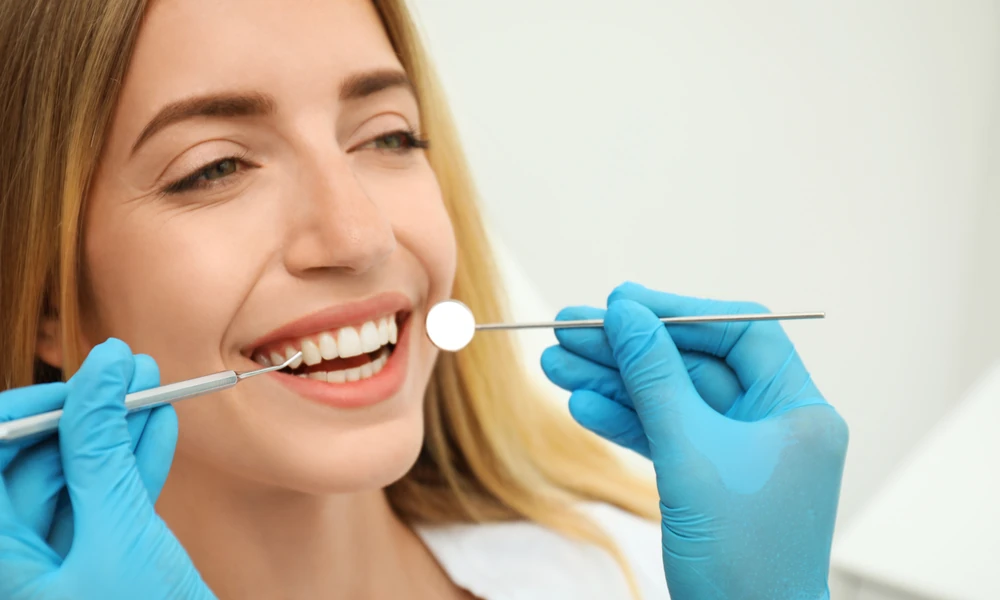

You might be looking in the mirror and noticing the small things first, a chipped edge, a stain that will not lift, a smile that feels older than you do. Then the bigger questions tend to follow. Will treatment look natural? Will it hurt? Will it cost more than you expect? That mix of hope and hesitation is common, especially when cosmetic work feels personal in a way few other dental choices do. A Lutz dentist can help you explore options with confidence.
The good news is that 4 Innovative Advances Shaping Cosmetic Dentistry are making care more precise, more comfortable, and often more predictable than it used to be. If you have been putting off treatment because you worry about messy impressions, long waits, or results that do not feel like you, there are real changes worth knowing about.
Why does cosmetic dental care feel so different now?
For many people, the stress starts with uncertainty. You want a better smile, but you do not want to guess your way through treatment. In the past, cosmetic dentistry could involve more trial and error, more back and forth, and more time in the chair. Because of this tension, you might wonder whether modern care can actually remove some of that guesswork.
It often can. One of the biggest shifts is digital scanning. Instead of relying only on traditional putty impressions, many practices now use small handheld scanners to create detailed 3D images of your teeth. That means fewer retakes, better fit for restorations, and a clearer starting point for veneers, crowns, aligners, and whitening plans. The National Institute of Dental and Craniofacial Research explains how data science and digital dentistry can improve dental care, especially by helping dentists plan with more accuracy.
A second shift is smile design software. Before treatment begins, digital imaging can help you preview shape, spacing, and symmetry changes. That matters more than people sometimes realize. Cosmetic treatment is not just about making teeth whiter. It is about matching your features, your bite, and the way you naturally speak and smile. When you can see a mockup early, the process feels less like a leap of faith.
Then there is 3D printing. This is changing how quickly some cosmetic tools and restorations can be produced, from models and surgical guides to certain temporary restorations. The FDA outlines the process for 3D printing medical devices, which helps explain why this technology has become such an important part of modern treatment planning. In simple terms, it supports customization. Your smile is not generic, so your treatment should not be either.
The fourth advance is improved materials. Newer ceramics and bonding materials are designed to look more like natural enamel while holding up better under daily use. That can mean thinner veneers, more lifelike crowns, and repairs that blend in instead of standing out. If you have ever worried that cosmetic work might look too bright or too perfect, this is one reason results can look softer and more natural now.
What do these cosmetic dentistry innovations mean for your real choices?
Technology sounds promising, but what does it change for you on a normal weekday, when you are balancing work, family, and a budget? Usually, it changes three things. It can improve comfort, shorten turnaround times in some cases, and help you make more informed decisions before committing.
Still, there is a catch worth naming. New tools do not replace judgment. A scanner is only as useful as the treatment plan behind it. A printed model is only as helpful as the person using it. That is why it helps to ask not just what technology is available, but how it supports your goals. Are you trying to fix one front tooth after an accident? Are you comparing whitening with veneers? Are you looking for subtle changes, not a total makeover?
If you are exploring advances in cosmetic dentistry, ask for specifics. Will digital scans be used? Can you preview likely results? What materials are recommended for front teeth and why? The American Dental Association also offers a helpful guide to 3D printing in dentistry, which gives useful context on how these tools fit into patient care.
How do these new cosmetic dental treatments compare in daily life?
When you are weighing options, a side by side view can make things feel less abstract. Here is a simple comparison of four changes shaping cosmetic dental care today.
| Advance | What It Helps With | Potential Benefit for You | Practical Question to Ask |
|---|---|---|---|
| Digital intraoral scanning | Capturing detailed images of teeth and bite | More comfort and often better fitting restorations | Will my treatment start with a digital scan? |
| Smile design software | Previewing cosmetic changes before treatment | More confidence in shape, size, and overall look | Can I see a mockup before I decide? |
| 3D printing | Creating models, guides, and some temporary restorations | Faster customization in certain cases | How will 3D printing affect timing and fit? |
| Advanced ceramics and bonding | Improving appearance and durability | More natural looking results with less bulk | Which material is best for visible teeth? |
So, what can you do right now if you are considering a smile upgrade?
1. Get clear on your goal. Try to name what bothers you most. Is it color, shape, spacing, or damage? A clear goal helps separate treatments that are cosmetic only from those that also protect tooth structure.
2. Ask for a digital plan, not just a price. Cost matters, of course, but the plan matters first. Ask how imaging, scans, or previews will be used to guide your care. That conversation often tells you more than a quote alone.
3. Compare materials and timelines. If two options seem similar, ask how long each may last, how natural each will look, and whether maintenance differs. A lower upfront cost can feel less appealing later if the result is less durable or less refined.
What should you take away from these changes in general dentist care?
Cosmetic treatment can feel emotional because your smile is part of how you show up in the world. That is why these changes matter. They are not just shiny new tools. They can make treatment more personal, more exact, and easier to trust. Whether you are considering whitening, veneers, bonding, or crowns through a general dentist, newer methods are giving patients better ways to plan and better reasons to feel confident.
If you have been waiting for care to feel more predictable, this may be the right time to ask what options are available and how modern cosmetic dentistry can support the smile you already have, not replace who you are.

Leave a Comment