
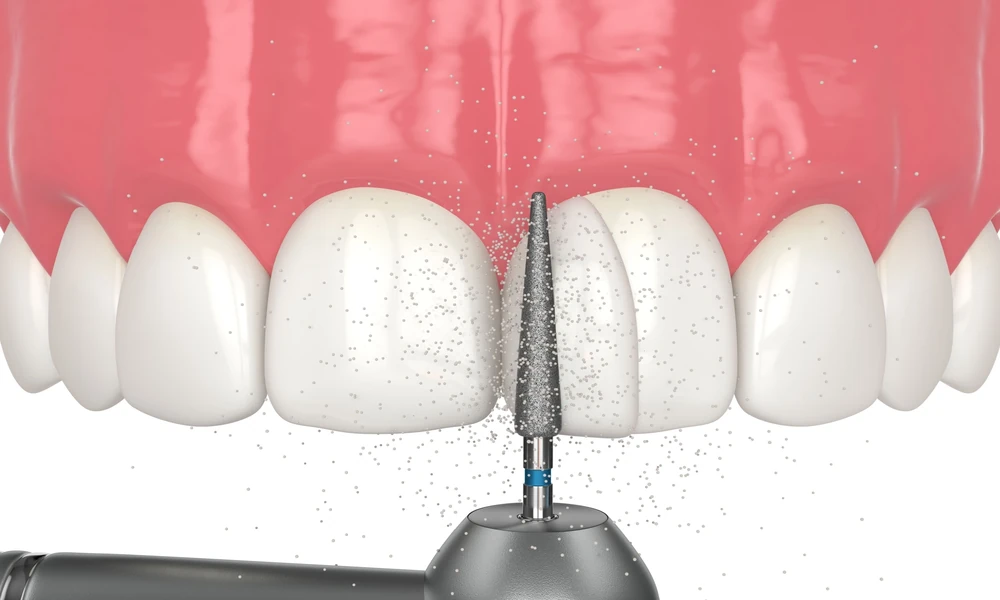

It usually happens fast. A slipped water bottle, a sports practice collision, a bite into something hard, and suddenly your teen has a small chip in a front tooth. The damage may be minor, but the reaction rarely feels minor. Teens notice every change in the mirror, and you can feel the stress building when they smile less, cover their mouth, or ask if their tooth will always look that way. In those moments, restorative dental care for a healthier smile in Springfield, VA can help restore both appearance and confidence.
Small chips often do not need a major procedure. That is why many families ask about cosmetic dental bonding for teens’ minor chips. Bonding is a conservative way to repair small areas of damage, improve appearance, and help a teen feel like themselves again without the cost and commitment of more involved treatment. For many parents, the choice comes down to comfort, speed, and protecting as much natural tooth structure as possible.
Minor tooth chips can feel bigger than they look
A minor chip may not seem urgent from a medical point of view, but it can affect daily life right away. A teen might avoid class photos, social events, or even simple conversations if the chip is visible. If the edge feels rough, it can also irritate the tongue or lip. According to MedlinePlus information on broken or knocked out teeth, even damage that looks small should be evaluated because treatment depends on the depth and location of the break.
That matters because not every chip needs the same fix. Some cases call for smoothing. Some need bonding. A deeper fracture may need a different plan altogether. A dentist checks whether the chip is only in the enamel or if it reaches deeper layers, since a tooth fracture can vary in severity and symptoms do not always tell the full story.
When the chip is minor, bonding often stands out because it solves the issue without making the situation feel heavier than it already does. Parents want a repair that looks natural and does not turn one bad moment into months of treatment.
Dental bonding for chipped teeth appeals to parents for practical reasons
The first reason is simple. Bonding usually preserves more natural tooth structure than other cosmetic options. A tooth that only has a small chip does not always need a crown or veneer. Many parents prefer the least invasive route when their teen is still growing and the tooth is otherwise healthy.
The second reason is appearance. Composite resin can be matched closely to the natural shade of the tooth, so the repair blends in well. That can be a huge relief for a teen who wants the chip fixed without looking like they had dental work done.
The third reason is speed. In many cases, bonding can be completed in one visit. You are not juggling multiple appointments, temporary restorations, or a long wait for a lab made piece. When a teen has school, sports, and a packed schedule, that convenience matters.
The fourth reason is cost. Bonding is often more affordable than veneers or crowns, especially for small cosmetic repairs. Parents balancing family budgets often want a treatment that addresses the problem well without moving straight to the most expensive option.
The fifth reason is flexibility. Bonding can often be touched up or repaired if needed. Teens are active. Mouths change. Habits change. A treatment that allows future adjustments can feel more realistic than one permanent high cost decision made after a single chip.
Cosmetic bonding for minor tooth chips works best in the right cases
Bonding is not the answer to every dental injury, and that is part of why parents appreciate a careful exam first. If the chip is large, painful, or tied to a bite problem, a different treatment may protect the tooth better. The goal is not only to make the tooth look good today. The goal is to keep it healthy and strong over time.
You may also be weighing your teen’s habits. If they chew ice, bite nails, or play sports without a mouthguard, a bonded edge can chip again. That does not mean bonding failed. It means the treatment and the lifestyle need to match. A family and cosmetic dentist can explain what is realistic based on where the chip is and how your teen uses that tooth every day.
Comparing bonding with other common options for minor chips
| Treatment Option | Best For | Tooth Structure Removed | Time Needed | Cost Range |
|---|---|---|---|---|
| Dental bonding | Small visible chips and shape correction | Usually little to none | Often one visit | Lower |
| Smoothing or contouring | Tiny rough edges | Very minimal | One short visit | Lowest |
| Veneer | Cosmetic changes with larger visible concerns | Some enamel usually removed | Often multiple visits | Higher |
| Crown | Larger breaks or weakened teeth | More significant reshaping | Often multiple visits | Higher |
For a healthy teen tooth with a minor chip, teen dental bonding for chipped teeth often lands in the sweet spot. It is conservative, efficient, and cosmetic without being excessive. That balance is why so many parents ask about it first.
Three steps parents can take right away
Schedule an exam soon. Even a small chip should be checked. A dentist can rule out a deeper crack, nerve irritation, or bite issue before it becomes a larger problem.
Save the details about how it happened. Was it a fall, sports impact, or biting something hard? That history helps the dentist decide whether the issue is likely cosmetic only or needs a closer look for hidden damage.
Protect the tooth until the visit. Have your teen avoid chewing hard foods on that side, and if they play sports, use a mouthguard. If the edge is sharp, the office may advise you on temporary ways to reduce irritation until treatment.
A small repair can make a big difference in confidence
When your teen is upset about a chipped tooth, you are not overreacting by looking for a simple fix. Appearance matters to them, comfort matters to you, and long term tooth health matters to both of you. Cosmetic dental bonding for teens’ minor chips is often the option parents choose because it respects all three. If your teen has a small chip, schedule a visit with a family and cosmetic dentist and get clear guidance on whether bonding is the right next step.


Leave a Comment