
You notice it in photos first. Your teeth looked brighter after whitening, then coffee, tea, red sauce, and plain old time started creeping back in. That can feel frustrating, especially when you already brush, try to avoid staining foods, and still see the color shift. The hard truth is that whitening alone does not keep teeth bright for the long run. Daily habits matter, but the condition of your enamel, your bite, your saliva, and your routine dental care Brookline matter too.
How General Dentistry Supports Long Term Color Stability comes down to one idea. Teeth stay brighter longer when they stay healthy. A general and cosmetic dentist does more than remove stains. Regular cleanings, cavity care, gum treatment, and early repair of worn or damaged teeth help protect the surface that gives your smile a clean, even look. If you want lasting tooth color support, the goal is not only whitening. It is keeping the whole mouth stable.
Healthy Teeth Hold Color Better Over Time
Tooth color is not just about surface stains. Enamel has a natural translucency, and the dentin under it affects how white or dark teeth appear. When enamel gets rough from acid, grinding, or decay, pigments cling more easily. When plaque and tartar build up, teeth can look yellow even if the enamel itself is not badly stained. That is why routine care from a general dentist often has a direct effect on how bright your smile looks month after month.
You might be doing everything you can at home and still missing the problems that change color stability. A tiny cavity near the gumline, an old filling that no longer matches, dry mouth from medication, or inflamed gums can all make teeth look darker or uneven. Professional exams catch those issues early, before they turn into bigger cosmetic and health concerns.
Cleanings also matter more than people think. Extrinsic stains from coffee, tea, tobacco, and deeply pigmented foods often sit on the outer tooth surface. A professional cleaning removes plaque and tartar that brushing cannot fully handle. The American Dental Association explains the basics of tooth whitening and stain removal, including the limits of over the counter products and the value of professional guidance.
Unaddressed Dental Problems Make Whitening Results Fade Faster
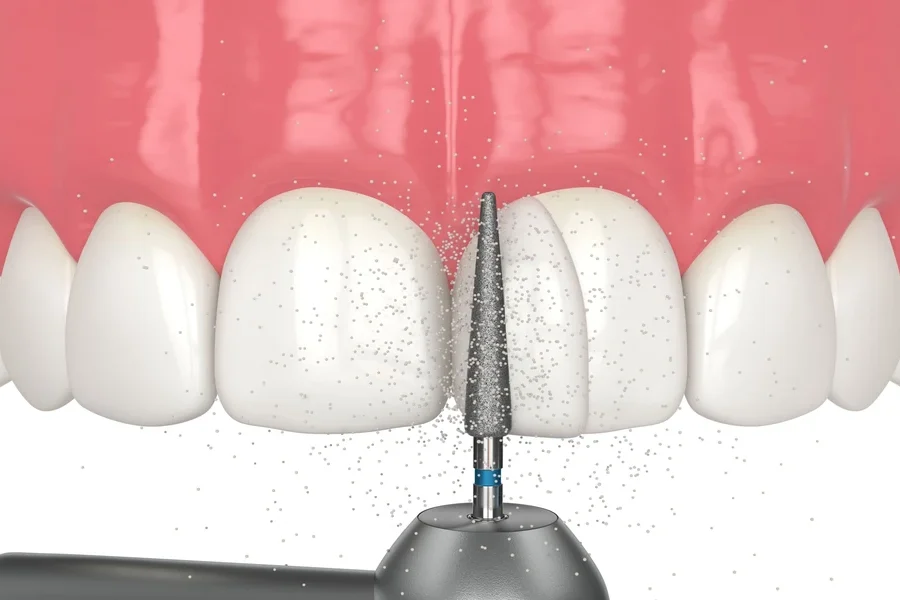
Whitening can lift color, but it does not fix the reasons discoloration keeps returning. If you have enamel erosion, exposed root surfaces, or cracked edges, those areas can stain differently from the rest of the tooth. That creates a patchy look that no whitening strip can smooth out. If you clench your teeth at night, the wear can dull the surface and make brightness harder to maintain.
Gum health plays a role too. Red, swollen gums draw attention away from a clean smile, and plaque sitting along the gumline can create a darker band near the base of the teeth. Basic preventive care, including exams, periodontal maintenance when needed, and home care coaching, supports both oral health and appearance. The National Institute of Dental and Craniofacial Research offers clear guidance on daily oral hygiene habits that help reduce stain buildup between visits.
There is also the issue of mismatch. Natural teeth respond to whitening. Crowns, veneers, and tooth colored fillings usually do not. If dental work was placed years ago, the surrounding teeth may lighten while the restorations stay the same shade. In that case, general dentistry helps by assessing whether polishing, replacement, or other treatment is the better path for a more even result.
Preventive Dental Care Builds Better Long Term Smile Appearance
Long term smile brightness is usually a maintenance issue, not a one time fix. People often spend money on whitening products, then skip cleanings because their teeth do not hurt. That is where the cycle starts. Surface stains settle in, tartar hardens, gums get irritated, and the smile loses that fresh look sooner than expected.
Dental care for color stability includes the less glamorous parts of dentistry that protect appearance over time. Fluoride can help strengthen enamel. Bite checks can reveal grinding. Restorative care can replace leaking fillings that trap stain. Saliva and dry mouth concerns can be addressed before they lead to rapid discoloration and decay. MedlinePlus has a helpful overview of dental health topics and common oral conditions that often affect both function and appearance.
| Approach | What It Helps With | Limits | Effect on Long Term Color Stability |
|---|---|---|---|
| Whitening toothpaste | Light surface stain removal | Does not change deeper tooth color much, can be abrasive if overused | Low to moderate support |
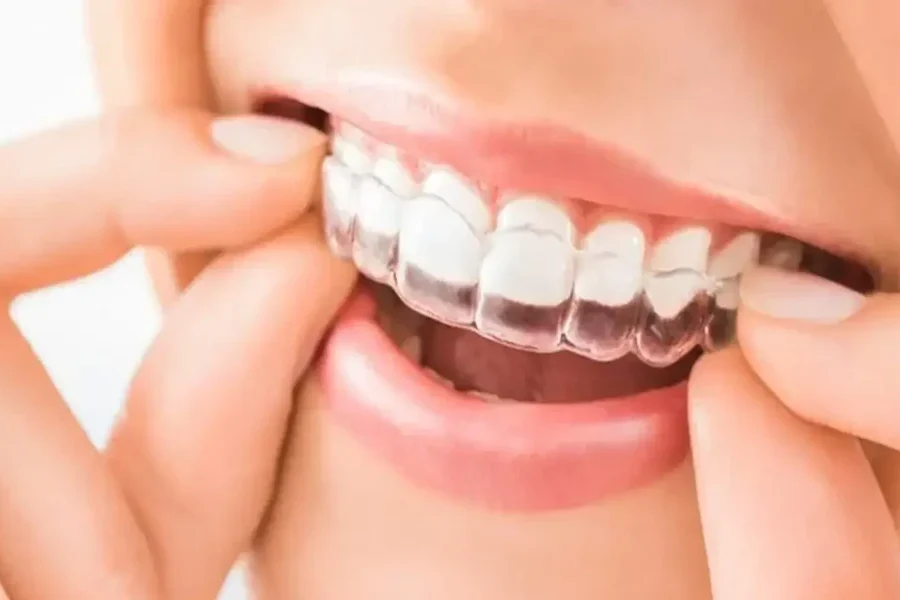
| Whitening strips or gels | Can lighten natural teeth for a period of time | Less predictable on uneven stains, does not treat decay or worn enamel | Moderate support if teeth are healthy |
| Professional cleaning | Removes plaque, tartar, and many external stains | Does not bleach internal discoloration | High support as part of maintenance |
| General dental care | Addresses cavities, gum disease, dry mouth, worn enamel, and mismatched restorations | May need added cosmetic treatment for deeper color change | High support for keeping results stable |
| Professional whitening with follow up care | Stronger color improvement with supervision | Results still fade without maintenance | Highest support when paired with preventive dentistry |
Small Daily Choices Affect Color More Than You Think
Even strong whitening results can fade quickly if daily habits keep working against the enamel. Sipping coffee over hours, frequent acidic drinks, smoking, and brushing too hard all wear at the tooth surface or add fresh stain. The issue is not perfection. It is consistency. Rinsing with water after staining foods, using a soft toothbrush, and keeping up with scheduled visits can stretch the life of a brighter smile in a very real way.
This is where long lasting teeth whitening support becomes practical. The best cosmetic result often comes from ordinary preventive care done on time. Clean teeth stain less. Healthy enamel holds up better. Stable gums frame the smile well. Small repairs done early prevent bigger and more expensive cosmetic corrections later.
Three Steps You Can Take Right Away
1. Schedule preventive care before chasing another whitening product. If your teeth are picking up color fast, there may be plaque, tartar, enamel wear, or older dental work affecting the result. A cleaning and exam give you a clearer starting point.
2. Build a stain control routine you can actually keep. Brush twice a day with a soft brush, clean between your teeth daily, and rinse with water after coffee, tea, wine, or dark sauces. Simple routines done every day beat occasional intense efforts.
3. Ask for a plan that blends health and cosmetics. If you have fillings, crowns, sensitivity, grinding, or dry mouth, whitening alone may not give a stable result. A general and cosmetic dentist can map out the order of care so the color looks better and lasts longer.
Steady Dental Care Protects a Brighter Smile
You are not imagining it. Teeth can lose brightness faster when the underlying dental issues are left alone. The good news is that color stability is not only about stronger whitening. It is about healthier teeth, cleaner surfaces, balanced gums, and regular care that keeps small problems from changing the look of your smile. If you want a brighter smile that holds up, schedule a visit with a general and cosmetic dentist and get a plan built for long term results.