

It often starts small. A tooth that feels a little sensitive when you drink something cold. A filling that has been there for years and suddenly does not feel quite right. A cracked edge you keep touching with your tongue because you know something changed. You may be telling yourself it can wait, especially if the pain comes and goes, but that quiet damage rarely stays quiet for long. If you are looking for a cosmetic dentist in South Holland, IL, addressing these issues early can help prevent bigger problems later.
Tooth problems do not just affect your mouth. They change how you eat, how you smile, and how comfortable you feel getting through a normal day. Decay and damage build on themselves, and the longer they sit, the more likely you are to need bigger treatment later. The short version is simple. Restorative dentistry helps repair damage early, protect what is still healthy, and give your teeth the support they need to stay strong.
Tooth decay weakens more than one tooth at a time
When a tooth is damaged, the problem is rarely isolated. You chew differently to avoid pain. Extra pressure shifts to nearby teeth. Food gets trapped more easily around rough or broken areas. Gums can become irritated. One cavity or fracture can start changing the whole balance of your mouth before you realize it.
That matters because tooth decay is common and persistent. The National Institute of Dental and Craniofacial Research explains how tooth decay develops and progresses, often beginning with plaque and acid wearing down enamel. Once that outer layer is compromised, the tooth loses strength and becomes more likely to crack, chip, or develop deeper infection.
This is one reason dental restoration for damaged teeth matters so much. Treatment is not only about filling a hole or covering a flaw. It is about stopping a chain reaction before it spreads.
Restorative dentistry preserves your natural teeth longer
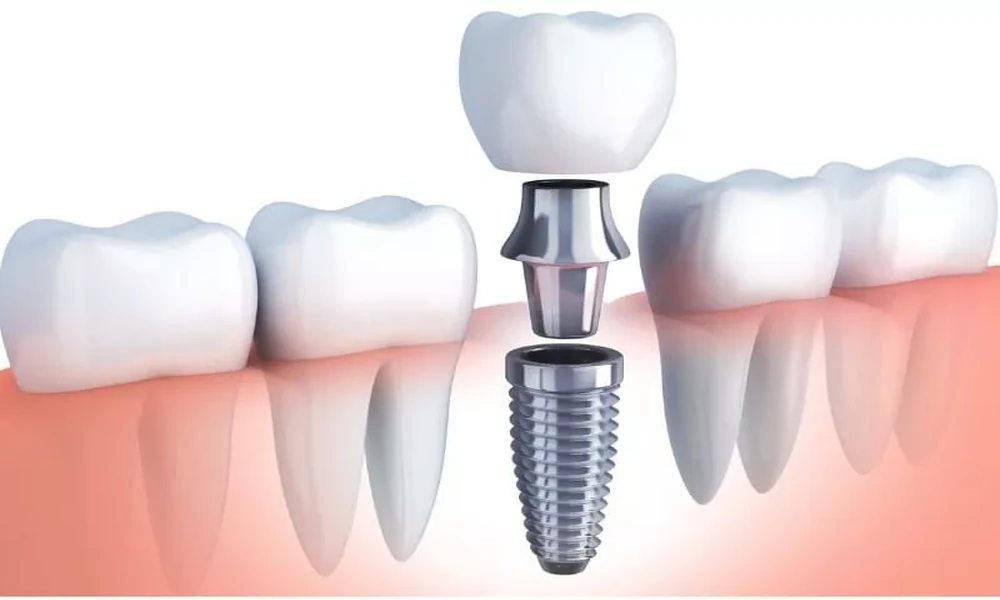
Most people do not want perfect teeth. They want their own teeth to keep working. That is the real value of restorative care. Fillings, crowns, inlays, onlays, root canal treatment, and bonded repairs are designed to save as much healthy structure as possible while reinforcing the part that has been lost.
If a cavity is treated early, a simple filling may be enough. If a crack grows deeper because it was ignored, the same tooth may need a crown. If infection reaches the pulp, you may be looking at root canal therapy or even extraction. MedlinePlus outlines what happens during root canal treatment, and for many people, that procedure is what saves a tooth that would otherwise be lost.
Saving a natural tooth usually means better chewing, steadier alignment, and fewer complex decisions later. That is the practical side of stronger teeth. You are not starting over. You are preserving what still works.
Stronger teeth support comfort, confidence, and daily function
Pain changes behavior fast. You may start chewing on one side, avoiding certain foods, or hiding your smile in photos without thinking much about it. A damaged tooth can also make brushing uncomfortable, which gives plaque more time to build up and causes even more trouble.
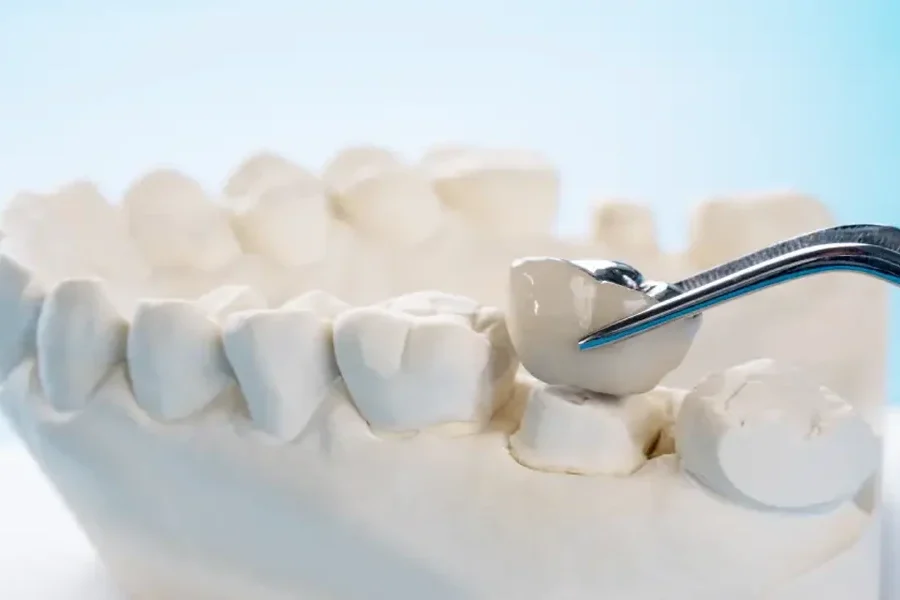
Restorative dental care can restore normal function in a way that cosmetic fixes alone cannot. A crown does not only improve shape. It helps a weakened tooth handle pressure again. A filling does not only close a cavity. It seals the tooth and reduces the risk of deeper damage. Replacing missing teeth can also help stabilize your bite and reduce stress on the teeth you still have.
That kind of repair often brings emotional relief too. When you are no longer bracing for pain every time you eat, daily life feels easier.
Early repair is usually simpler and less costly than delayed treatment
Many people put off care because they are worried about cost. That concern is real. What makes delay so frustrating is that waiting often leads to more treatment, not less. A small cavity can become a large one. A worn filling can fail and expose the tooth underneath. A cracked tooth can split beyond repair.
The data on cavities makes the pattern clear. The NIDCR reports extensive dental caries statistics, showing how widespread decay remains across age groups. Common does not mean harmless. It means many people wait until the issue becomes impossible to ignore.
| Dental issue | When treated early | When treatment is delayed |
|---|---|---|
| Small cavity | Filling with limited tooth loss | Larger filling, crown, or root canal if decay spreads |
| Minor crack | Bonding or crown to reinforce the tooth | Deep fracture, pain, or possible extraction |
| Missing tooth | Timely replacement can support bite balance | Shifting teeth, uneven wear, and jaw stress |
| Worn filling | Simple replacement before leakage worsens | Decay under the filling and more extensive repair |
Restorative dentistry works best as part of complete dental care
Teeth get stronger when treatment is not approached in pieces. General, cosmetic, and restorative dentistry each serve a different purpose, and they often overlap. General care helps prevent disease. Restorative treatment repairs function and structure. Cosmetic options can improve appearance once the foundation is healthy.
A person with chipped front teeth may need bonding for looks, but if grinding caused the chips, the real answer may also include bite protection. Someone with discoloration may want whitening, but if there is untreated decay, restoring the tooth comes first. Good care follows the order your mouth needs, not the order that looks fastest.
Three smart steps to take right away
Pay attention to small changes. Sensitivity, rough edges, food trapping, dark spots, and pain when biting are not minor if they keep returning. These are often early signs that a tooth needs support.
Schedule an exam before the problem becomes urgent. Restorative treatment is usually more conservative when the damage is found early. Waiting for severe pain often means the issue has already gone deeper.
Ask for a treatment plan that protects long term strength. If you need care, ask what solves the current problem and what helps prevent the next one. That may include a new filling, a crown, replacing a missing tooth, or adjusting habits that are wearing your teeth down.
Strong teeth are rarely the result of luck. They are usually the result of catching damage early and repairing it before it spreads. If you have been living with discomfort, avoiding one side of your mouth, or hoping a problem settles down on its own, this is a good time to act. General, cosmetic, and restorative dentistry can help protect your teeth, restore comfort, and keep small issues from turning into bigger ones.


Leave a Comment