
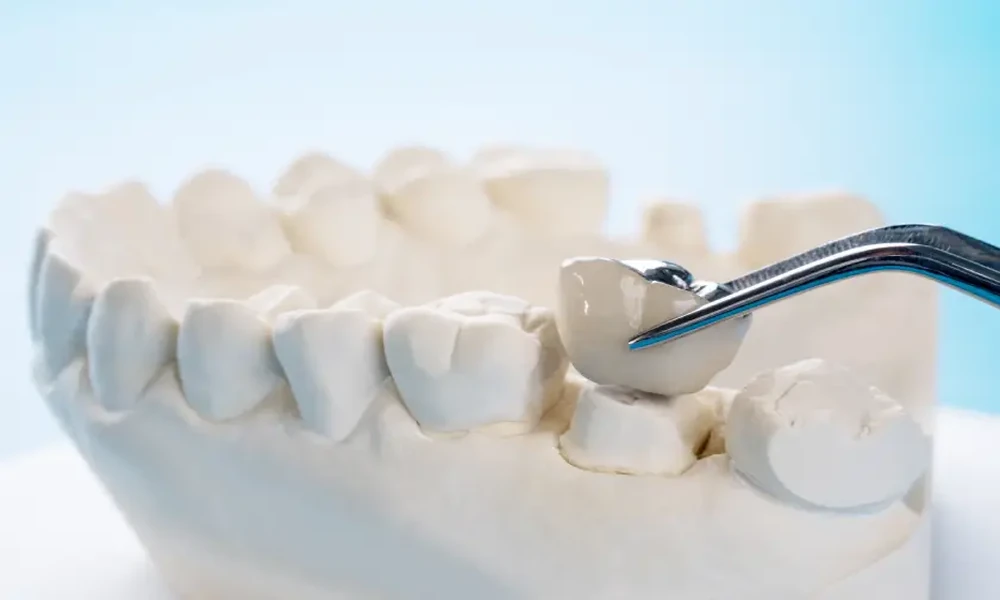

Missing several teeth changes more than your smile. Meals get harder, speech can feel off, and you may catch yourself covering your mouth without thinking. If the gaps have been there for a while, you might also be dealing with jaw soreness, shifting teeth, or that nagging sense that things are getting worse one piece at a time. That stress is real, and dental implants in Floral Park may help restore comfort, function, and confidence.
When you are looking at replacing multiple missing teeth with implant bridges, the main question is usually simple. Will this give you a stable, lasting way to eat, speak, and smile again without the bulk of a removable denture? For many people, the answer is yes. An implant bridge uses dental implants placed in the jaw to support several replacement teeth, which means you do not need one implant for every missing tooth.
Implant bridges restore multiple teeth with more stability
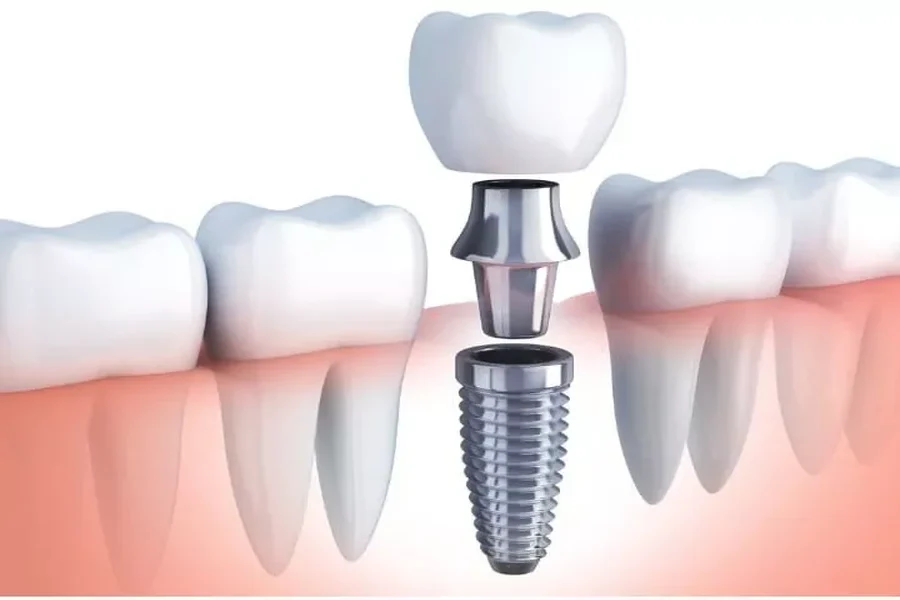
An implant bridge is often used when several teeth in a row are missing. Instead of placing an implant at every gap, your implant dentist may place a smaller number of implants and attach a bridge to them. That can reduce movement, improve bite force, and help preserve the bone in your jaw.
This matters because bone loss starts after teeth are lost. The jaw no longer gets the same stimulation from chewing, so it begins to shrink over time. That can change the fit of removable appliances and even affect facial shape. Research supported by the National Institute of Dental and Craniofacial Research on dental materials continues to improve the strength and performance of restorations used in treatments like implant bridges.
You may also hear this called an implant supported bridge for multiple teeth. The idea is the same. The bridge is fixed in place, supported by implants, and designed to feel closer to natural teeth than a removable option.
Living with multiple missing teeth often gets harder over time
At first, people adapt. You chew on one side, avoid certain foods, and learn which words come out a little differently. Then the workarounds pile up. The opposing teeth may drift, nearby teeth can tilt into the empty space, and the bite can become uneven. What started as a few missing teeth can turn into a larger restorative problem.
There is also the financial side. Many patients wait because they assume treatment will only get more affordable later, or because they are trying to avoid surgery. Waiting can mean more bone loss, more shifting, and in some cases more procedures before implants can even be placed. A case that might have been straightforward can become more involved.
If you are worried about surgery, that is common too. Dental implant surgery is a standard procedure, and MedlinePlus offers a clear overview of dental implant surgery and recovery. Knowing the steps ahead of time often makes the process feel less intimidating.
Implant bridge treatment has clear tradeoffs compared with dentures and traditional bridges
Every option solves a different problem. A removable partial denture may cost less upfront, but it can shift and put pressure on the gums. A traditional bridge can fill a gap, but it usually depends on neighboring teeth for support. A multiple tooth replacement with dental implants approach asks more of you at the start, yet it often gives more stability and helps protect the jawbone.
| Option | Support | Bone Preservation | Feel While Eating | Typical Tradeoff |
|---|---|---|---|---|
| Implant bridge | Dental implants in the jaw | Better support for bone than removable options | Stable and fixed | Higher upfront cost, healing time required |
| Traditional bridge | Adjacent natural teeth | Does not stimulate jawbone in the missing tooth area | Fixed, often comfortable | May require reshaping healthy teeth |
| Removable partial denture | Gums and clasps on teeth | Least support for bone | Can move during chewing | Lower upfront cost, less secure fit |
That comparison is why many patients ask for a fixed solution once they understand the long term picture. The goal is not just filling spaces. It is restoring function in a way that holds up in daily life.
Good planning matters as much as the implant bridge itself
Not everyone is an instant candidate for treatment. Gum health, bone volume, smoking, diabetes control, and bite habits all affect the plan. If you grind your teeth at night, your restoration may need extra protection. If bone loss is advanced, grafting may be part of the process. None of that means treatment is off the table. It means the plan should match your mouth, not a template.
This is where a skilled implant dentist becomes important. Imaging, bite analysis, and a clear review of your health history help determine how many implants are needed, what material the bridge should use, and how the final result will handle chewing pressure.
Three steps help you move forward with confidence
1. Get a full implant evaluation. Ask for imaging, a review of bone levels, and a written treatment plan. You want to know how many implants are recommended, whether grafting is needed, how long healing will take, and what the total cost includes.
2. Compare the long term cost, not just the starting price. A removable option may look easier on paper, but repairs, relines, replacements, and daily frustration add up. Ask what each option is likely to need over the next five to ten years.
3. Ask about daily life after treatment. Find out when you can eat normally, how to clean under the bridge, and whether you will need a night guard. Small details shape whether the result feels manageable and worth it.
Replacing several missing teeth can restore comfort and confidence
If you have been putting this off, you are not alone. People delay treatment because they are busy, overwhelmed, or tired of making one more health decision. Still, missing teeth rarely stay a small issue. A well planned implant bridge can give you a fixed, functional solution that supports your bite and helps you feel like yourself again.
If you are considering implant bridge treatment, the next step is a consultation with an implant dentist who can evaluate your bone, your bite, and your goals, then lay out a plan you can actually live with.



Leave a Comment