
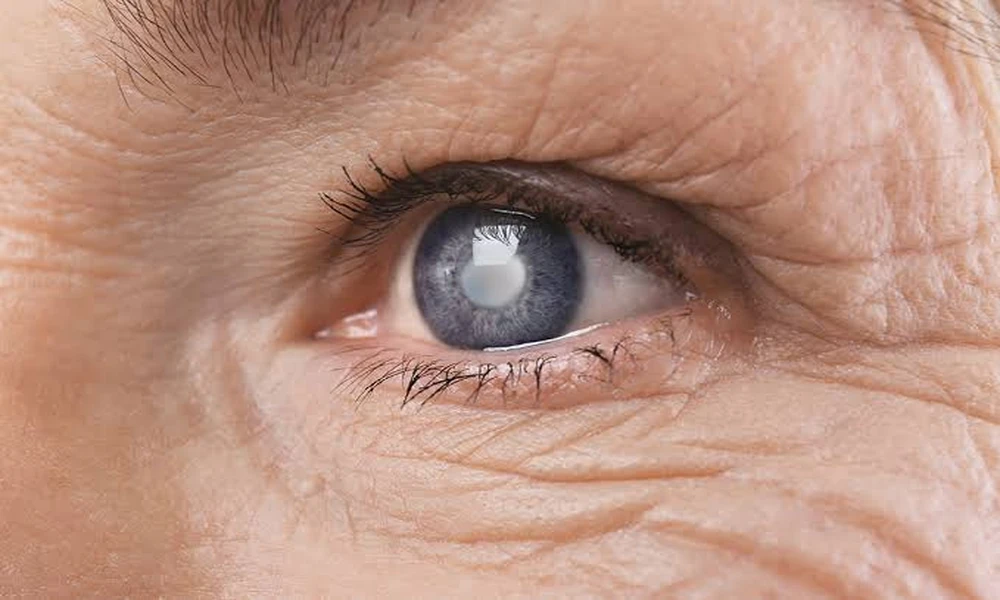

A Stargardt’s disease diagnosis often arrives as a genuine shock to families, particularly because it typically affects children, adolescents, and young adults – an age group where vision problems aren’t usually expected by parents. As the most common inherited macular degeneration in this younger age group, it results from ABCA4 gene mutations causing lipofuscin buildup that gradually damages the photoreceptors responsible for sharp central vision.
Genetic confirmation is the essential first step before exploring any treatment path forward. Confirming the specific ABCA4 mutation involved clarifies the inheritance pattern relevant to family planning decisions, helps predict likely disease progression, and may be relevant to eligibility for gene-specific research currently under development in various research institutions. Diagnosis typically combines fundus autofluorescence imaging with OCT to assess the structural integrity of the macula in detail.
Families researching Stargardt disease treatment in India will find specialists who evaluate cases individually based on genetic findings and detailed retinal imaging before recommending any specific course of action – an approach that matters considerably because disease progression varies significantly even between patients who share the exact same underlying gene mutation.
Current treatment approaches, including regenerative options such as stem cell therapy, generally focus on supporting remaining viable retinal tissue rather than reversing vision that has already been lost to the condition. An important practical note families should understand: https://stargardt-disease.com/
because Stargardt’s disease involves abnormal vitamin A processing within retinal cells specifically, high-dose vitamin A supplementation is generally not advisable without specific medical guidance tailored to this diagnosis.
Families should look for providers offering a thorough, individualised evaluation process beginning with genetic confirmation and detailed imaging, addressing practical questions like appropriate monitoring schedule, whether siblings should be considered for testing, and what low-vision support resources might become relevant as the condition potentially progresses over time. Navigating this diagnosis well ultimately means building a comprehensive care plan around accurate genetic diagnosis, realistic expectations, ongoing monitoring, and genetic counselling – with any treatment discussion, including regenerative approaches, fitting within that broader, honest framework rather than standing apart from it as an isolated intervention.





Leave a Comment