
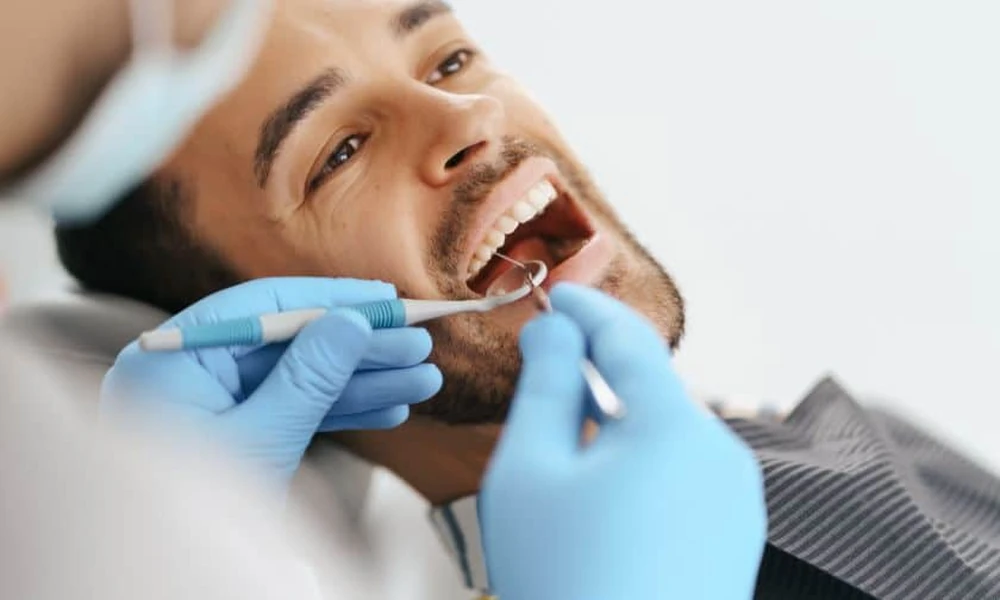

You might be feeling a bit caught in the middle. You try to brush, you buy the “right” toothpaste, you see your general dentist or a Fort Atkinson, WI dentist when you can, yet new problems still seem to pop up. Cavities. Bleeding gums. That one tooth that always feels a little off. It can feel unfair and a little exhausting.end
At the same time, you probably know there is a different story. One where your checkups are quick, your dentist mostly says “everything looks good,” and you are not bracing for bad news every time you sit in the chair. The gap between those two stories is not just luck or “good teeth.” More often than not, it is education.
The short version is this. When you understand how your mouth works, what truly protects it, and how small daily habits add up, preventive care suddenly starts working. You spend less on emergency visits, feel more in control, and your dentist becomes a partner instead of a judge. That is the quiet power of education in preventive dentistry.
Why does oral health feel so confusing in the first place?
Think about how most people learn to care for their teeth. A rushed instruction as a child. A few random tips from family. Maybe a quick reminder from a hygienist while you are half-numb and trying to answer questions with cotton in your mouth. No wonder it feels confusing.
Because of this, you might rely on habits that feel “good enough” but do not really protect you. Brushing once a day when you remember. Flossing only when something is stuck. Sipping coffee or soda through the morning. None of this makes you a bad patient. It makes you a normal person who was never clearly shown what actually works.
Now add in the emotional side. If you have ever been told “you need another filling” or “your gums are getting worse,” you might feel embarrassed, frustrated, or even a little ashamed. You might think, “I am doing my best, what more do they want from me?” That shame can make you avoid appointments, which then makes problems worse. It is a tough cycle.
So where does that leave you? Stuck between wanting a healthy mouth and not really knowing which actions matter most.
How does education change preventive dentistry outcomes?
Education is not about memorizing dental terms. It is about understanding a few simple truths so your daily choices start working in your favor.
For example, once you learn that plaque is a soft, sticky film that reforms every day, it becomes clear why consistent brushing and cleaning between teeth is non-negotiable. It is not that “you forgot to floss.” It is that bacteria never stop working, so your habits cannot either.
When you understand that sugary or acidic drinks slowly weaken enamel, suddenly sipping soda for hours or falling asleep with juice in your mouth is not just a small slip. It is a slow drip of damage. That knowledge can feel uncomfortable at first, yet it is also freeing. Now you can choose. You can decide when to indulge and how to protect your teeth afterward.
Education also changes your relationship with your dentist. Instead of feeling talked at, you can ask, “What is causing these cavities?” or “Can you show me where my brushing is missing?” A good general dentist will welcome these questions. Preventive dentistry works best when it is a partnership, and clear, simple education is what turns you into an active partner.
If you want a solid, science-based starting point, resources like the National Institute of Dental and Craniofacial Research oral hygiene guide explain the basics in plain language. You do not need to read everything at once. Even one or two practical tips that you actually use can change your next checkup.
What happens when you rely on habits alone instead of real knowledge?
Imagine two people with similar mouths and similar budgets.
One person brushes “when they remember,” buys whitening toothpaste because it sounds strong, and skips floss because it feels annoying. They assume that if nothing hurts, everything is fine. When pain finally shows up, it is often something bigger. A deep cavity. A cracked tooth. Inflamed gums. The visit is stressful and expensive, and they leave feeling defeated.
The other person brushes twice a day, knows to angle the toothbrush toward the gumline, cleans between teeth every night, and keeps regular checkups. They understand that small problems caught early are easier to treat, so they do not wait for pain. They are not perfect, but they are informed. Their appointments are calmer, their costs are more predictable, and their confidence grows over time.
The difference between those two paths is not willpower. It is education applied in small, steady steps. That is what people often mean when they talk about the role of education in preventive dentistry success. It is not a slogan. It is the quiet reason some mouths stay healthy while others constantly feel like a project.
How do everyday choices affect your teeth compared to professional care?
You might be wondering how much your daily routine really matters if you still need a dentist anyway. The truth is that both are important, but they play very different roles. Understanding this can help you focus your energy where it counts most.
| Preventive Choice | What It Does | What Happens If You Skip It | How Education Helps |
|---|---|---|---|
| Daily brushing and cleaning between teeth | Removes plaque before it hardens and irritates gums | Higher risk of cavities, gum disease, bad breath | Learning proper technique and timing makes each minute more effective |
| Regular checkups with a general dentist | Catches small problems early and removes hardened tartar | Minor issues turn into root canals, extractions, or gum surgery | Understanding why “nothing hurts” can still mean trouble reduces avoidance |
| Food and drink choices | Supports enamel strength and gum health | Frequent snacking and sugary drinks create constant acid attacks | Knowing which habits are most harmful lets you adjust without giving up everything |
| Fluoride and protective products | Strengthens enamel and reduces cavity risk | Teeth are more vulnerable, especially in high-risk mouths | Education helps you pick the right products instead of guessing |
When you understand these differences, you stop expecting your dentist to “fix everything” once or twice a year. Instead, you see professional care and home care as two sides of the same protective plan.
Three practical steps to make preventive dentistry actually work for you
1. Learn one new habit, not ten
Trying to change everything at once usually fails. Choose one small, clear habit to improve. For many people, that is cleaning between teeth every night. For others, it is brushing for a full two minutes twice a day, not just a quick swipe.
Ask your dentist or hygienist to physically show you the right way to brush or floss. Use a mirror at home and copy what you saw. You can also review trusted tips from sources like the CDC’s oral health guidance for adults. Once that habit feels normal, add another one. Slow change lasts longer.
2. Turn your visit into a conversation, not a lecture
At your next appointment, treat your general dentist and hygienist as teachers as much as clinicians. Come with questions. For example.
- “Can you show me where you see the most plaque or tartar?”
- “What is the main reason I keep getting cavities?”
- “If I only change one thing before my next visit, what should it be?”
Ask them to use a mirror or camera if available. Seeing your own teeth while they explain is powerful. Education lands differently when you can see what they see. This is how preventive dental care education becomes personal, not theoretical.
3. Protect your teeth between brushes
Oral health is not only about what happens in the bathroom. It is also about what happens in the hours between. A few simple shifts can lower the stress on your teeth and gums.
- Try to keep sweet or acidic drinks to specific times instead of sipping all day.
- Rinse with water after snacks or drinks to clear some of the sugars and acids.
- Chew sugar-free gum after meals if brushing is not possible.
- Talk with your dentist about fluoride toothpaste or mouthwash if you have frequent cavities.
These are not dramatic changes. They are small, informed choices that reduce the daily “wear and tear” on your mouth.
Where does this leave you today?
You do not need to become a dental expert to benefit from education. You only need enough understanding to make better choices, ask clearer questions, and stick with simple habits that actually work. That is how preventive dentistry shifts from something you hope works to something you can trust.
If you feel a little overwhelmed, that is normal. Start small. Pick one habit to improve, prepare one question for your dentist, and give yourself credit for every step. Over time, those choices add up to fewer surprises, less stress, and a mouth that feels like it is finally on your side.
Your next checkup can be the start of that new story. Use it as a chance to learn, not just a visit to endure. Education is not extra. It is the quiet force that makes preventive dentistry truly successful.
Leave a Comment